Skip to content

Non-alcoholic drink marketing agency

Growth plans for alcohol-free drink brands: avoiding false alcohol flags in feeds, dry season demand, taste-risk samplers and case-sized reorder flows.

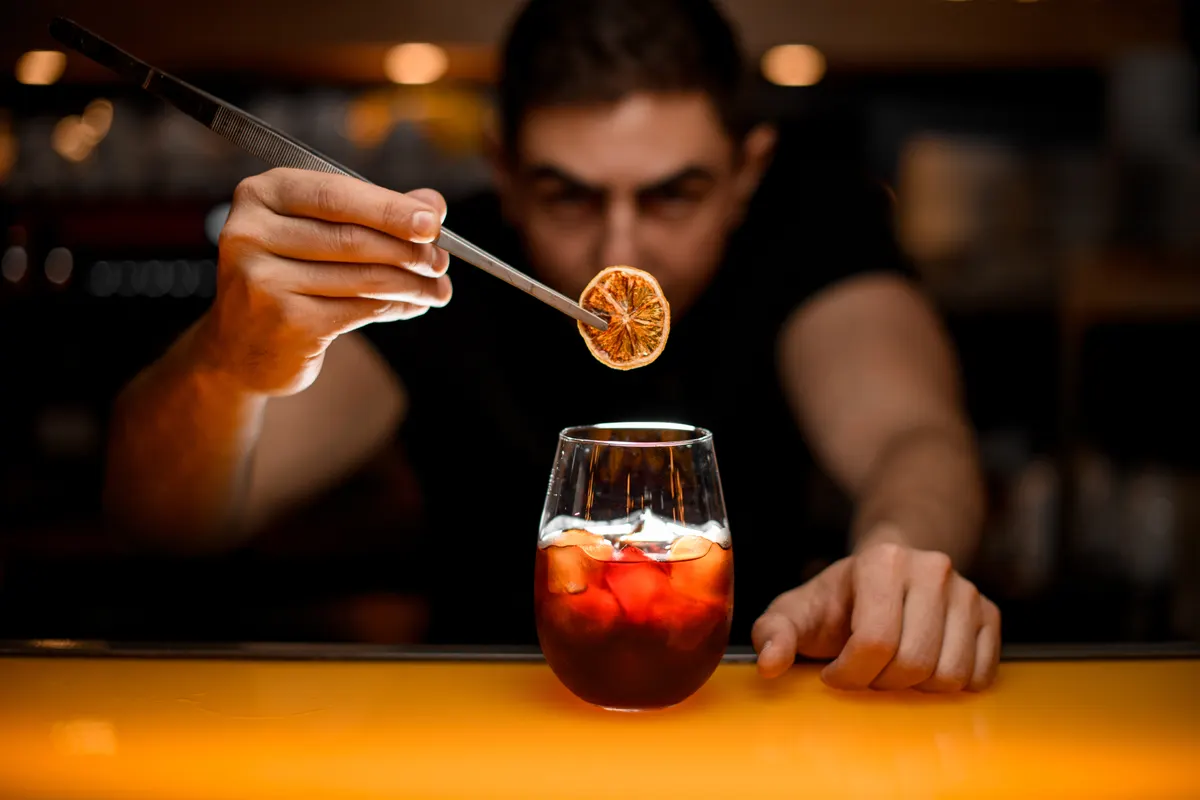
Non-alcoholic drink marketing agency: close-up of glass with cold drink and male hand accurate holding dry slice of orange with tweezers over it.

The first purchase is a taste gamble the shopper knows they are taking

Alcohol-free drinks have the opposite problem to alcohol. Nothing about the product is restricted, yet the ads and the feeds keep getting treated as though it were, because a title that reads gin alternative or non-alcoholic aperitif looks like a spirit to an automated review. Brands in this category spend months fighting disapprovals that were never about their product, and the fix is usually wording and category data rather than an appeal.

We work with alcohol-free drink brands already selling online, from distilled zero proof spirits and de-alcoholised wine to functional sodas, botanical tonics and canned aperitifs. The plan covers visitors, conversion, order value and repeat purchases, and it deals with the two structural challenges of the category: a heavy, breakable product that is expensive to post, and a first-time buyer who has no idea whether they will like the taste.

Everyone who has bought an alcohol-free drink has been disappointed by one. That memory sits behind every visit, and it is why a full price bottle of something described only as complex and botanical is a hard first sale. The stores that convert deal with it directly: they describe the taste in ordinary comparative language, they say what it is drunk with and in what glass, and they offer a small format or a mixed pack so the first order is a trial rather than a commitment.

The second question is what the drink is for. Alcohol-free buyers split into groups with almost nothing in common. Some are not drinking at all and want an adult drink for a social setting. Some are cutting down and are looking for a substitute for one specific habit. Some are pregnant, on medication or driving. Some just want a soda with something functional in it. Each group needs its own page and its own words, and lumping them together as a sober audience serves none of them.

The third is the honest technical answer. Whether the drink is truly zero, whether it contains trace alcohol, what the sugar and calorie content is, and who should be careful. Shoppers look for these before a first order, and clear labelling on the page converts better than atmosphere.

Where non-alcoholic drink brands
lose revenue

The four levers, in this niche.

Visitors

Substitute searches and the dry season peak

The demand arrives as substitution language: alcohol free gin, non alcoholic wine that tastes good, mocktail ingredients, drinks for pregnancy. Volume climbs sharply in January and again in the autumn abstinence month, and it drops through the summer, so budget and stock planning follow that curve rather than sitting flat. Functional soda terms behave differently and run all year, which makes them the steady half of an account built on a very seasonal category.

Conversion rate

Describe the taste and state the alcohol content plainly

Two page changes carry most of the conversion gain here. First, describe how the drink actually tastes in comparative, everyday language and name what to mix it with, because atmospheric copy leaves a nervous first-time buyer with nothing to decide on. Second, state the alcohol content precisely, whether that is zero or a trace figure, along with sugar, calories and any functional ingredient. Ambiguity on that point stops the exact shopper who came looking for certainty.

Average order

Cases and mixed packs, because liquid is expensive to post

Bottles and cans are heavy and fragile, and a single unit order rarely survives the freight cost. Build the store around the case and the mixed pack, price the free shipping threshold just above the pack that makes sense for you, and use protective packaging you can describe on the page so shoppers stop worrying about dents. Adding garnishes, mixers and glassware to a drinks order works because the customer is assembling an occasion rather than buying an item.

Repeat purchases

Two very different reorder clocks

A canned functional drink is consumed daily and reordered every few weeks. A bottle of alcohol-free spirit lasts months, because it is poured occasionally rather than habitually. Treating both with the same reminder schedule wastes one and annoys the other. We split the flows by format, put subscriptions behind the cans where the rhythm is real, and use occasion prompts, new flavours and seasonal serves to bring bottle buyers back rather than a replenishment reminder they do not need.

What we do for
non-alcoholic drink brands

Five channels, one plan.

Google Shopping and search

Shopping campaigns that stop being mistaken for alcohol

The recurring problem in this niche is listings and ads disapproved under alcohol policy for a product that contains none. It usually comes from titles built on borrowed words, where the category term for a spirit appears before any clarification. Titles that lead with the product as it is, naming it as an alcohol-free or zero proof drink with the botanical description afterwards, along with the correct product category, prevent most of it.

Campaign structure then follows format, because a case of cans and a bottle of distilled non-alcoholic spirit attract different searches and different prices. Case listings carry the count and volume in the title so a shopper can compare cost per can from the results page.

Seasonality is severe. January demand can dwarf the rest of the year, so campaigns are built and tested in the autumn rather than in the first week of the month when auction prices are highest, and the budget plan assumes a long quiet summer where functional and soft drink terms carry the account.

Meta and TikTok

Meta and TikTok creative for a category with no age restriction

This is one of the advantages worth using. Because the product contains no alcohol, campaigns are not restricted the way an alcohol brand's are, and TikTok, which does not accept alcohol advertising at all, is fully open. That makes short video the strongest acquisition channel in the category.

The creative that works is the pour and the serve. A bottle poured over ice, the tonic added, the garnish, the first sip, and a person saying what it tastes like in plain words. Bartender-led serves do well because the anxiety being answered is whether an alcohol-free drink can feel like a proper drink.

What needs care is claims. Functional ingredients invite copy about mood, focus, sleep or relaxation, and ad platforms restrict health claims and anything that implies knowledge of the viewer's health or habits. Writing about the ingredients and the occasion rather than the effect keeps campaigns running, which matters more than a stronger claim that gets an account restricted in January.

Merchant Center and the feed

Feed data that proves the product is alcohol free

Getting listings approved starts with the product category and the title. Choosing the correct non-alcoholic beverage category rather than a spirits or wine category, and naming the product as alcohol free in the title, resolves most false flags. The description should state the alcohol content explicitly, since the review process reads it.

Beyond that, the detail is standard packaged drink work done carefully. Net volume per unit, the count for a case set with the multipack attribute where the cans are identical, bundle treatment for mixed packs, item groups for flavours, and unit pricing so a shopper can compare a four pack against a case.

Shipping settings need to reflect what liquid actually costs to send and the packaging you use to protect it. Where a de-alcoholised wine or a chilled line has any temperature sensitivity, dispatch days and service level belong in the settings rather than in a note at the bottom of the cart, and availability should track stock closely because this category sells through unevenly across the year.

SEO and AI search

Pages that answer the trace alcohol and safety questions

The questions shoppers put to assistants in this category are specific and cautious: does alcohol free beer contain any alcohol, is a point five percent drink safe during pregnancy, what can I drink instead of wine in the evening, are these drinks suitable for someone in recovery. Answering them accurately, and saying plainly where the decision belongs with a doctor or midwife rather than with a drinks brand, is what earns citation and trust.

The serve library is the second asset. Pages for the drinks people already know, made with your bottle, with real measures and a photograph of the finished glass, catch a large share of the searches that run all year rather than only in January.

Product pages should carry the taste description, the ingredient list, the alcohol content, the sugar and calories, and the storage advice once opened, in text. De-alcoholised wine in particular needs the storage answer, since it behaves differently from a bottle of wine and shoppers ask about it.

Email and SMS

Flows split by format and timed to the dry months

The year has a shape and the email calendar should match it. Recruitment and content build through late autumn, the January push is prepared in advance with stock and creative ready, and the summer is used for occasion serves and new flavours rather than for silence.

Flows split by what the customer bought. Case buyers of canned drinks get a replenishment prompt timed to how many people drink them and how quickly, plus a subscription with an easy flavour swap. Bottle buyers get serves, seasonal pairings and new release notes instead, since a reminder to reorder a bottle they are still pouring reads as though nobody is paying attention.

The most useful post-purchase message is the one that teaches the serve. A first-time buyer who mixes the drink badly decides the product is disappointing, so a short message with the ratio, the mixer and the garnish protects the second order more than any discount would.

First three fixes

What the plan usually starts with for non-alcoholic drink brands.

  1. Rewrite titles so reviews stop reading them as alcohol

    Lead with the product as an alcohol-free or zero proof drink, choose the correct non-alcoholic category, and state the alcohol content in the description. Most disapprovals in this niche are a wording problem rather than a policy problem.

  2. Sell a trial format before a full bottle

    A small size or a mixed pack lets a shopper take the taste risk cheaply, which is the main barrier in this category, and it tells you which flavour to put in front of them next.

  3. Split reorder flows between cans and bottles

    Cans are consumed daily and suit subscriptions and replenishment reminders. Bottles last months and need occasion prompts instead. One schedule for both wastes half your sends.

Questions from non-alcoholic drink brands

Almost always because the wording and the product category read as alcohol to an automated review. Name the product as alcohol free or zero proof in the title, select a non-alcoholic beverage category, state the alcohol content in the description, and keep imagery clear of anything that mimics a spirits label. That resolves most cases without an appeal.

Prepare for January but do not depend on it. Costs peak when every brand in the category bids at once, so build audiences and content through the autumn, be ready on day one, and plan a functional or everyday drinks line that keeps the account running through a quiet summer.

Describe the ingredient and the amount rather than promising an effect. Ad platforms restrict health claims and copy that implies something about the reader's state, and claims of that kind put the whole account at risk during your busiest month. The occasion and the taste sell the drink well enough.

Give the facts about your product, including whether it contains trace alcohol, and say clearly that whether it is right for them is a question for their doctor, midwife or support programme. That answer is honest, it is what assistants will quote, and it protects the people asking.

Change the packaging, then describe the change. Moulded inserts, a carton that fits the case exactly and a carrier that handles beverage freight cut damage rates, and a short line on the product page about how the order is packed stops the shopper who was burned by another brand from hesitating.

Other food & beverage stores we work with

Send your non-alcoholic drink brand store.

The plan says which lever is leaking and what to fix first, for your store as it is today.

Store, name, email and phone. A person replies from a real inbox. Privacy

Get your free growth plan