Skip to content

Winery marketing agency

Growth plans for wineries and wine clubs: club retention, vintage changeovers, shipping and age rules, tasting room capture and case-sized order values.

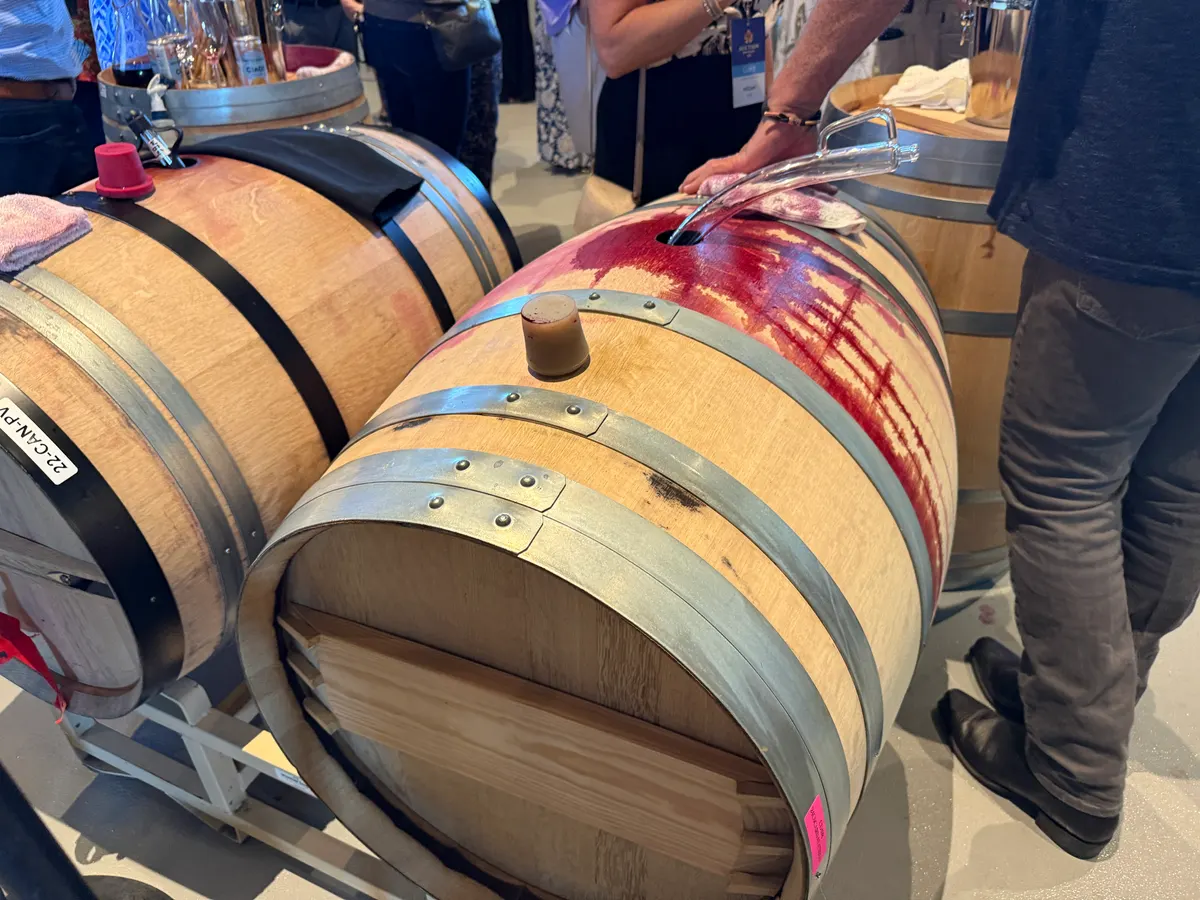
Winery marketing agency: person Sampling Red Wine from Oak Barrel with Wine Thief.

Wine is bought on trust in the maker, not on the label alone

A winery's direct channel is a club business wearing a shop's clothes. Single bottle orders barely cover the cost of the box they travel in, one-off buyers rarely come back on their own, and the wines they liked will not exist next year in the same form. What produces predictable revenue is a club: a group of people who agreed once to receive a shipment every quarter, and who stay because the wine keeps arriving with something interesting to say about it.

We work with wineries and wine clubs that already sell online, whether the production is a few hundred cases of an estate red or a broad range with national distribution. The plan covers visitors, conversion, order value and repeat purchases, and it takes account of the two constraints that make wine unlike other food selling: where you are legally able to ship, and the fact that every vintage change quietly rebuilds your catalogue.

Someone buying a bottle they have never tasted, from a producer they have never visited, is taking a risk that a tasting room visitor is not. That is why the visitor converts at a rate the website cannot match, and why the single most valuable thing a winery does all week is collect email addresses at the counter. Online, the same trust has to be built with words: who made it, from which block, in what season, and what it tastes like described honestly rather than in a paragraph of borrowed poetry.

The practical questions come next and they are unusual in this category. Can you ship to the buyer's address at all, what does it cost, will somebody old enough have to sign for it, and will you hold the shipment during a heatwave or a freeze. A shopper who has had wine cooked in a delivery van reads that page carefully.

The last question is quantity. Wine economics reward the case, so the store's job is to move the shopper from a curious bottle to a six pack or a mixed twelve, and then from the case to the club, where the decision is made once and repeats without another sale being needed.

Where wine clubs & wineries
lose revenue

The four levers, in this niche.

Visitors

Varietal, region and occasion searches within your shipping map

People search for the grape, the region and the use: natural orange wine, cool climate pinot noir, wine to send as a gift. Those terms only pay when they run in places you can legally deliver to, so the shipping map becomes the targeting map. Tasting room and visit searches deserve their own campaigns, because a visitor who walks in is the highest value traffic a winery ever buys and converts to club membership at the counter.

Conversion rate

Shipping eligibility and the signature rule shown early

The two things that break wine checkouts are discovering late that you cannot ship to an address, and discovering that someone of legal drinking age must be present to sign. Put an address check and the signature requirement on the product page rather than at the final step, state your weather hold policy, and keep the age gate simple. Every one of those is a question the shopper would otherwise resolve by leaving.

Average order

Move the order from a bottle to a case

The freight cost of one bottle is close to the cost of six, so pricing and page design should push the shopper towards a pack. Mixed cases work better than a case of one wine for first-time buyers, since the whole point of buying direct is to try the range. Set the free shipping threshold at a genuine case, show the per-bottle saving next to it, and let the customer build their own twelve from the wines they were already looking at.

Repeat purchases

Club retention beats club recruitment

Signing up members is easier than keeping them, and most clubs lose people at the same points: the shipment that arrived when they were away, the quarter where the selection did not suit them, and the card that expired unnoticed. Fixing those is worth more than another recruitment offer. Let members choose or swap the bottles, send a heads-up before each charge, chase failing cards early, and offer a pause before anyone reaches for the cancel link.

What we do for
wine clubs & wineries

Five channels, one plan.

Google Shopping and search

Paid search built around alcohol rules and delivery states

Alcohol advertising is allowed only in certain countries and formats, comes with age targeting requirements, and in some markets carries an additional certification step before campaigns can run. The first job in this niche is establishing exactly what is permitted where you sell, because a campaign structure that ignores it gets disapproved rather than merely underperform.

The second is geography. Direct wine shipping is governed address by address in many markets, and paying for clicks from places you cannot deliver to is the most common leak in a winery account. Targeting is drawn to match the permits you actually hold, and excluded everywhere else.

The third is the vintage problem. Every new release changes the catalogue, so campaigns tied to a specific bottle need a plan for what happens when it sells out. We keep evergreen structure at the varietal and range level, run allocation and release campaigns as short bursts, and put the club, which never sells out, behind the terms that run all year.

Meta and TikTok

Meta creative for wine, and why TikTok is not an option

Meta permits alcohol advertising in many markets with age restrictions applied at the campaign level, and requires the audience settings to match local legal drinking age. TikTok does not accept alcohol advertising, so a winery's presence there is organic rather than paid, which changes how the content is planned.

What works on Meta is the place. Wine is one of the few products where the landscape is part of the goods, so harvest footage, the crush pad, a barrel being topped up and the winemaker tasting from a thief all outperform bottle shots. Tasting room and event promotion works well locally and feeds the club sign-up that happens in person.

Audiences are built from the club list, from past case buyers and from visitors who joined the mailing list at the cellar door, with lookalikes seeded on members rather than on all purchasers. A single bottle buyer and a club member are different people, and training the platform on the wrong one produces traffic that never renews.

Merchant Center and the feed

Feed detail for vintages, formats and alcohol policy

Merchant Center handles alcohol under its own policy, with availability depending on the country and the seller meeting local requirements, so the account setup matters before any feed work. Once listings are permitted, the detail that decides performance is specific to wine.

Titles need the producer, the vintage, the varietal, the region and the bottle size, because a shopper comparing tiles is comparing exactly those things. Vintages are separate products with separate barcodes rather than variants of one listing, which means a release changeover is a feed job as well as a cellar job. Leaving last year's vintage live is a reliable way to disappoint a buyer.

Six packs and mixed cases are bundles rather than multipacks when the bottles differ, and the number of bottles belongs in the title. Shipping settings should carry the real freight cost and the states or regions you serve, and availability should close for wines that have sold through rather than taking orders the cellar cannot fill.

SEO and AI search

Pages that answer shipping law, storage and pairing questions

The questions people put to search engines and assistants about buying wine online are practical: can wine be shipped to my state or province, does someone have to sign for it, will it be ruined by summer heat, how long can I keep this bottle, what should I serve with it. A winery that answers those on its own pages is the one an assistant quotes when a shopper asks where to buy a wine like this.

Vintage changes make wine SEO fragile. A product page rebuilt for each new release loses whatever authority it had, so the durable structure is a page per wine that carries the current vintage and keeps the older vintages as history on the same address.

Beyond that, the content that earns links and citations is the estate's own knowledge: the vineyard blocks, the season, the fermentation choices, and honest tasting notes that admit what a wine is not. Pairing pages that name specific dishes and link the bottle bring a reader from an answer straight to a case.

Email and SMS

Club communications and release allocations

Email carries this business. Ad platforms restrict alcohol, the tasting room only reaches people who came, and the club is a list. The rhythm has three parts: the release announcement to members and waiting lists, the pre-billing note before each club charge, and the shipment tracking message that tells someone to be home for the signature.

Allocation is the mechanism that makes a small production feel worth acting on. Members get first access, the mailing list gets what is left, and both messages state honestly how many cases were made. That is a reason to open an email that no discount can match.

The retention flows are where the money is. A card about to expire, a shipment about to be charged while a member is travelling, and a quarter whose selection does not suit a member's taste are all solvable by a message sent early enough. Add a re-engagement sequence for lapsed members timed to the anniversary of their first shipment, and a separate track for visitors who joined at the cellar door and have never ordered online.

First three fixes

What the plan usually starts with for wine clubs & wineries.

  1. Draw the ad map from your shipping permits

    Target only the regions you can legally deliver to and exclude the rest. Paying for clicks from addresses you cannot serve is the most common waste in a winery account, and it also creates refunds and complaints.

  2. Give each wine one permanent page across vintages

    Keep one address per wine, update it as the vintage changes and archive older vintages on the same page, so search authority accumulates instead of being thrown away with each release.

  3. Rebuild the club charge notice

    Send a pre-billing message with the selection, a swap option, a skip option and a card check. Most club cancellations start with a shipment the member did not want or a payment they did not expect.

Questions from wine clubs & wineries

Usually because a share of the spend goes to places you cannot ship to, and because single bottle orders cannot carry freight. Cut the targeting back to your permit map, then make a six pack the advertised unit so each order covers the box, the courier and the click that produced it.

Ask at the counter, then follow up. Tasting room visitors join at a rate online traffic never reaches, so the priority is capturing every visitor's email and sending an invitation while the visit is still fresh. Online, the club is offered after a first case rather than to a stranger.

Plan for it before it happens. Keep evergreen campaigns at the varietal and range level, treat single wine campaigns as short release bursts with an end date, and pause the feed listing when the cellar is empty rather than letting the tile take orders you cannot fill.

Yes, and it converts. State the months you hold shipments, how you pack when temperatures are extreme, and whether a member can request a hold. Wine that arrives cooked is a lost customer and a refund, and the policy page reassures the buyer who has had that happen elsewhere.

Not as paid advertising. TikTok does not accept alcohol ads, so anything you do there is organic. Meta allows alcohol in many markets with age restrictions applied to the campaign, and search advertising depends on the country and, in some markets, on completing a certification step first.

Only real ones, quoted accurately with the source and the vintage they were given to. A score attached to the wrong vintage is a common error and it undermines the page. Your own tasting notes, written plainly, do more work than borrowed praise anyway.

Other food & beverage stores we work with

Send your wine clubs & winerie store.

The plan says which lever is leaking and what to fix first, for your store as it is today.

Store, name, email and phone. A person replies from a real inbox. Privacy

Get your free growth plan