Skip to content

Sneaker marketing agency

Growth plans for sneaker brands selling online: drop calendars, size-run feeds, colourway launches and the repeat buyer who collects.

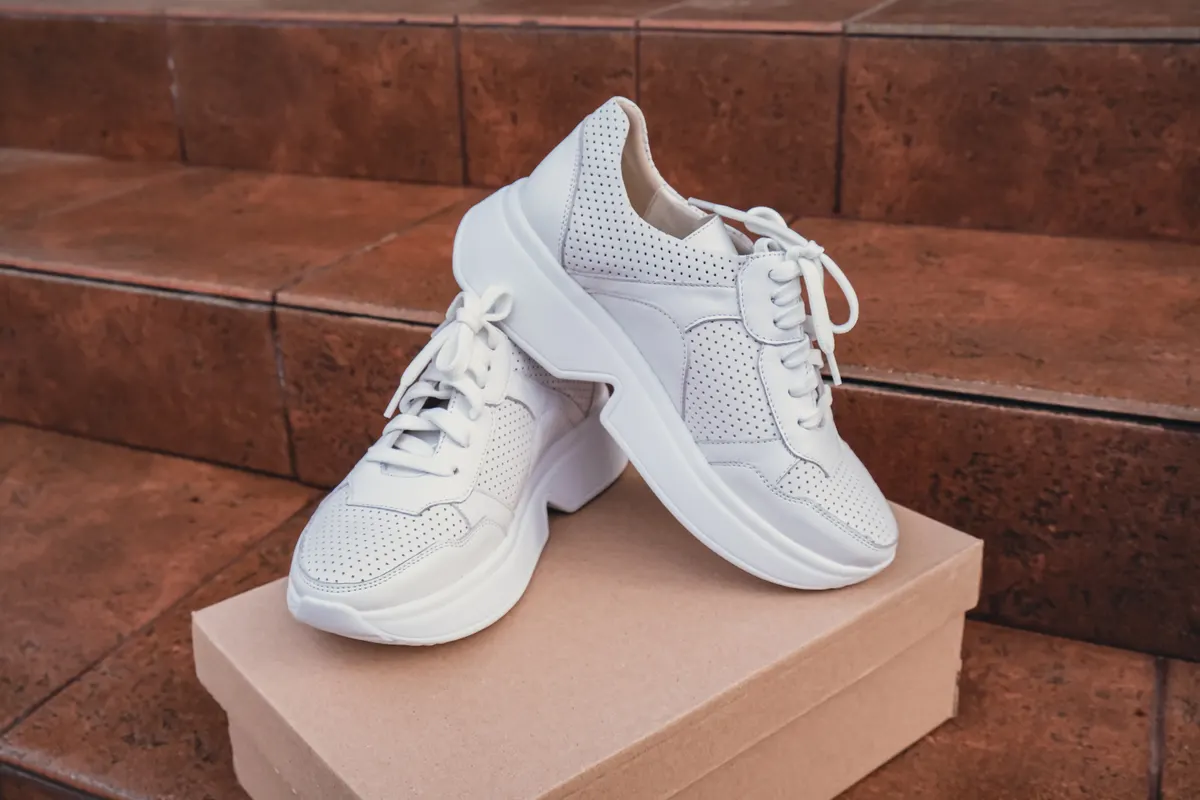
Sneaker marketing agency: minimalist eco-friendly white sneakers placed on recycled cardboard box, clean design for sustainable fashion concepts. New unbranded white sneakers footwear mockups and modern product displays. For branding, e-commerce.

How sneaker buyers decide

Sneaker brands sell in two rhythms at once. There is the drop, where a colourway or a collaboration goes live at a set hour and the whole size run can be gone before the ads have finished learning. And there is the general release, where the same silhouette sits in the catalogue for months and has to earn its sales one search at a time. Most sneaker stores are good at one rhythm and lose money on the other.

We work with sneaker brands that already sell online, own-label and licensed. The plan covers both rhythms: how to load a drop so the traffic arrives with a size already in mind, and how to keep an inline model selling through Shopping, Meta and email between drops. We start with your own numbers, work out which of the four levers is leaking, and fix that first. In sneakers it is often repeat purchases, because the customer who bought one pair is the most likely person on earth to buy the next colourway, and most brands never ask them.

A sneaker buyer decides in a different order from other shoe shoppers. Silhouette first, colourway second, size last. They already know they want the model. What they are checking on your site is whether their size is in stock, whether the model runs half a size small like the last one did, and whether the price is the retail price or a marked-up one.

That last check matters more in sneakers than anywhere else in footwear. Because resale exists, buyers are alert to being overcharged, and they compare your price against what they believe the release price to be. A brand selling its own product at its own price has an advantage here and should say so plainly on the page.

Sizing in sneakers is also unusual because most models are cut on a men's last and sold as unisex, with women's sizes expressed as a conversion. A shopper who wears a women's 8 has to know that means a men's 6.5 on your chart. If the size selector shows only one system, half your audience does the maths in their head and some get it wrong, which is a return waiting to happen.

Then there is the drop itself. Buyers set alarms, refresh the page and expect the checkout to hold. If your launch page is slow, or the size they wanted shows as available and then fails at payment, they will not come back for the next one. For a sneaker brand the launch experience is the marketing. The ads only bring people to the door.

Where sneaker brands
lose revenue

The four levers, in this niche.

Visitors

Model and colourway searches, not 'sneakers'

Nobody who buys from you searches for 'sneakers'. They search for the silhouette name, the colourway nickname, the collaboration partner or the material. The plan builds search and Shopping around those terms and drops the generic ones that bring browsers who want a different brand entirely. Meta and TikTok are for the drop announcement and the restock, where the audience already knows the model and needs the date.

Conversion rate

Size in stock, price at retail, page that holds

Sneaker pages convert when the size grid is honest, the conversion between men's and women's sizes is on the page, and the price reads as the retail price rather than a resale one. During a drop the page also has to survive the load. We look at whether the launch page, the payment step and the stock reservation hold up when the whole audience arrives in the same minute.

Average order

Laces, crease guards and the second colourway

The sneaker order grows in two ways. Small, cheap companions that ship in the same box: replacement laces in a contrasting colour, crease guards, a cleaning kit. And the second colourway of a model the buyer already trusts for fit. The first is a cart add-on. The second is a post-purchase offer timed for after the first pair has been worn.

Repeat purchases

The collector already on your list

A sneaker customer who bought one pair is the likeliest buyer of the next release in that silhouette. Most brands announce drops to everyone at once and never build a list segmented by model and size. We set up drop alerts by silhouette, restock alerts by size, and a flow that tells last season's buyer about this season's colourway before the general announcement goes out.

What we do for
sneaker brands

Five channels, one plan.

Google Shopping and search

Shopping ads built around the size run

Shopping for sneakers works when each size is its own offer in the feed and the campaign structure separates inline models from launch product. For inline styles we run Performance Max or Standard Shopping by silhouette, with feed rules that pause a variant when its size sells out so budget stops going to a page with a greyed-out button. For launch product we do the opposite: Shopping is switched off until the drop time, because a product that shows in Shopping before it can be bought creates clicks that cannot convert and reviews that mention frustration.

Search ads cover model names, colourway nicknames and the brand plus 'restock'. We add negative keywords for resale terms and for other brands' silhouettes, which otherwise drain budget from anyone with a well-known model name. Price extensions and merchant promotions show the retail price, which matters when the same shoe is listed elsewhere at a markup.

We also watch the counterfeit and misrepresentation side of Google's policies closely. A sneaker brand advertising its own product is fine, but a listing with vague brand fields or missing GTINs can be flagged, and a flagged Merchant Center account during a drop week is expensive.

Meta and TikTok

Drop announcements and restock creative on Meta and TikTok

Sneaker creative on Meta and TikTok has one job in the week before a drop: make the audience remember the date and the model. On-foot video, detail shots of the materials, the colourway against daylight. We run the announcement to your existing customers and site visitors first, then to lookalikes built from buyers of the same silhouette, then broad. The teaser sequence ends with a reminder ad on the morning of the drop and a restock ad the day sizes come back.

Between drops, social carries the inline catalogue through Advantage+ catalogue ads, where each colourway is a product in the catalogue and the ad shows the one the viewer looked at. The feed behind those ads is the same one that feeds Shopping, so size and stock accuracy carries across.

TikTok in particular rewards creator content that shows the shoe being worn and styled rather than shot in a studio. We brief creators on the fit note and the colourway story, not on a script, and we track which creator content pulls people to the product page rather than which one gets views. Policy-wise, the main thing to avoid is any implication of affiliation with a larger sneaker brand you are not affiliated with. Comparison to other brands in ad copy is both a policy and a taste problem.

Merchant Center and the feed

A feed that speaks in silhouettes, colourways and unisex sizing

A sneaker feed in Merchant Center has to carry a lot of variant data. Each size is a separate item with its own offer ID, all sharing an item_group_id for the colourway. Size goes in the size attribute, and because sneakers are usually cut on a men's last and sold as unisex, we set gender to unisex and use size_system to state whether the size is US, UK or EU. Where you list both men's and women's conversions, we keep one canonical system in the feed and put the conversion in the product page rather than in the feed, so Google does not see two conflicting sizes for one item.

Google requires age_group, gender, colour and size for apparel and footwear in the US, UK, Germany, France, Japan and Brazil, so those fields are not optional. Colour is where colourway nicknames become a problem: Google wants a plain colour like 'white' or 'green', not the nickname, so the nickname goes in the title and the plain colour goes in the colour field.

For launch product, availability is set to preorder with an availability_date, then flipped to in_stock at drop time. That keeps the listing eligible without letting it show as buyable early. GTINs matter for own-label too. If you do not have them, we set identifier_exists to false rather than leave the field blank.

SEO and AI search

Ranking for the model name and answering the fit question in AI search

A sneaker brand's SEO is mostly about owning its own model names and colourway names before a resale site or a blog does. Each silhouette gets a hub page that outlives any single colourway, with the colourways as product pages underneath it. When a colourway sells out, the product page stays live with a notify-me form instead of returning a 404, because the search demand for that colourway continues for months after the drop.

The fit question is what shoppers now ask AI assistants: 'does the [model] run small', 'should I size up in the [model]', 'is the [model] wide'. We write a fit note per silhouette in plain sentences on the product page, and a longer sizing page per model that answers those exact questions. Assistants pull from pages that state the answer directly, so the note says 'this model runs about half a size small, most buyers size up' when that is true, rather than 'fits true to size' on every page.

Collection pages are organised by silhouette and by use, not only by gender. Structured data covers each variant with size and availability, which is what lets Google show the size grid in search results.

Email and SMS

Drop alerts by silhouette and restock alerts by size

Email and SMS are where sneaker brands leave the most money. The list is treated as one audience and every drop goes to everyone, so the customer who only wears one silhouette in one size gets fifteen irrelevant messages and stops opening. We segment the list by what each person bought or clicked, and the drop alert for a silhouette goes first to people who own that silhouette, then to people who browsed it, then to everyone else.

Restock alerts are the most valuable message you can send. When a size comes back, the people who asked for that size get an SMS within minutes, before the general email. This is a small flow that produces sales at the highest conversion rate of anything in the account.

Post-purchase, the sequence covers the care and the laces, then the second colourway of the same model about the time the first pair has been worn in. There is no fixed reorder cycle in sneakers the way there is in running shoes, so the trigger is the next release in a silhouette the customer already owns, not a calendar date. We also run a win-back for customers who bought once and never opened another drop, pointing them to the model they bought and what has changed since.

First three fixes

What the plan usually starts with for sneaker brands.

  1. Split launch product from inline product in every channel

    Drops and inline styles need different feed settings, different campaigns and different emails. Mixing them means Shopping spends on shoes that cannot be bought yet and the drop audience gets diluted. The first fix is usually to separate the two in the feed, the ad accounts and the list.

  2. Put the men's to women's conversion on every product page

    Unisex sizing is the top cause of wrong-size returns in sneakers. A single conversion table next to the size selector, plus a one-line fit note per silhouette, fixes a share of returns and lifts conversion for shoppers who were unsure which system they were looking at.

  3. Build restock alerts by size before spending more on ads

    A brand with a real following usually has more demand than stock in the popular sizes. Restock alerts by size turn that demand into sales the moment inventory lands, at no ad cost. We set this up before increasing budget, because more traffic to sold-out sizes just makes the problem larger.

Questions from sneaker brands

Turn them off until the drop is live, then let them run for the sizes still in stock. Shopping before the drop sends clicks to a page that cannot sell, and Shopping after the popular sizes are gone sends clicks to a page with a greyed-out button. Feed rules that pause sold-out variants do most of this automatically once they are set up.

Set gender to unisex and keep one size system in the size attribute. The conversion between men's and women's sizes belongs on the product page, not in the feed. Submitting the same shoe twice with two genders and two sizes creates duplicate offers and confuses Google about which size the item is.

By owning the model name in search and by stating the retail price clearly. Your silhouette hub page and colourway pages should be the most complete pages on the web for that model, with fit notes, materials and release history. In ads, negative keywords for resale terms keep budget away from people who are looking to sell rather than buy.

They matter more for a small brand than a large one. A small brand sells out of popular sizes in the first hour and then has weeks of demand it cannot serve. Alerts by size collect that demand and convert it the day stock arrives, without spending on ads to find those people again.

On-foot footage in daylight, the shoe being laced and worn, and a creator who says how it fits. Studio shots and hype language perform worse than someone honestly saying the model runs half a size small and showing what they sized to. We brief creators on the fit and the colourway story and let them speak in their own words.

Other footwear stores we work with

Send your sneaker brand store.

The plan says which lever is leaking and what to fix first, for your store as it is today.

Store, name, email and phone. A person replies from a real inbox. Privacy

Get your free growth plan