Footwear ecommerce marketing agency
Growth plans for shoe brands and shoe stores that already sell online. We fix fit-driven returns, size-run feeds and the lever that is leaking most.
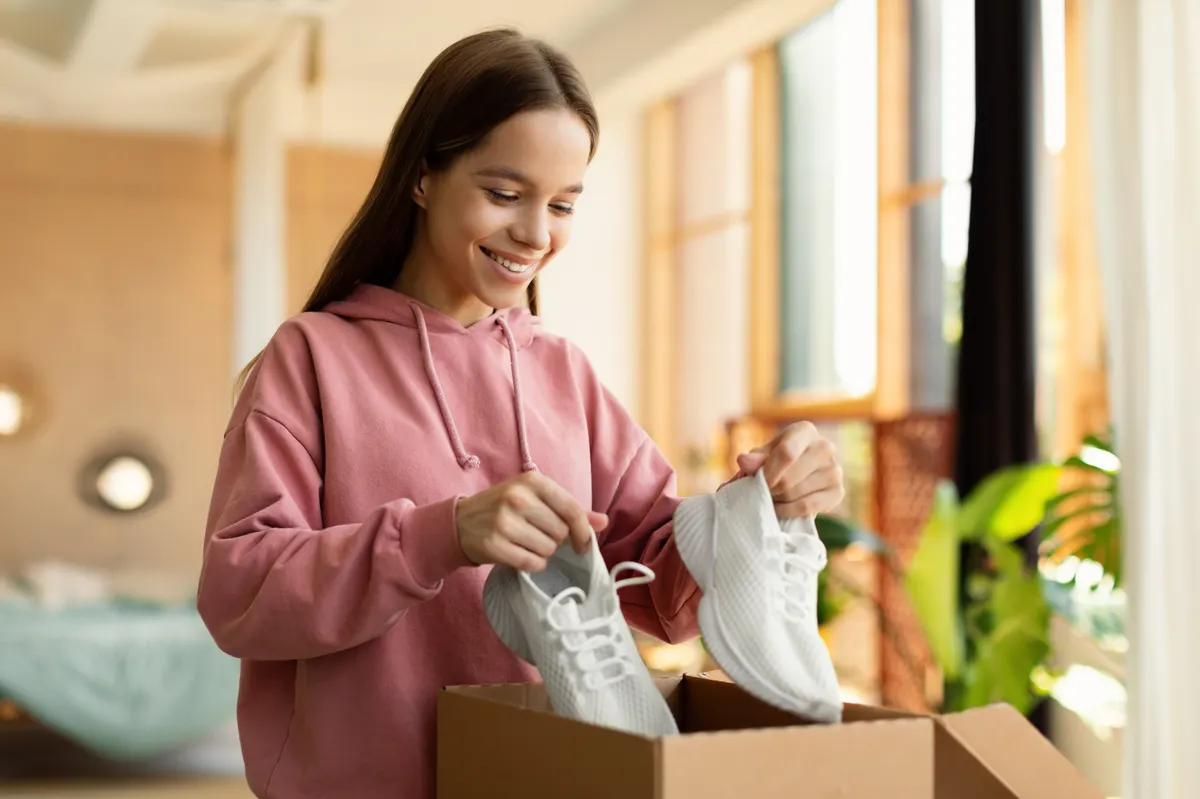
How shoe shoppers actually buy
Shoes are the one product a shopper cannot try on through a screen, and every number in a footwear store bends around that fact. A visitor who is unsure about the size hesitates at checkout. A customer who guessed wrong sends the pair back, and the return costs you the outbound shipping, the return label and a box that came back scuffed. A customer who guessed right, and was helped to guess right, tends to buy the next pair from the same place.
We work with footwear brands and shoe retailers that already sell online. Sneaker labels, boot makers, sandal brands, running specialists, comfort and orthopedic stores, kids' shoe shops, dance and specialty retailers, handmade leather workshops, vegan brands, slipper makers, work boot dealers, wide-fit specialists, luxury heel houses and the shoe care brands that sell to all of them. Each one has its own sizing reality, its own season and its own reason a shopper picks up the phone or asks an AI assistant before buying.
Our job is to find which of the four levers is leaking most in your store and fix that first. In footwear the answer is usually conversion or repeat purchases, because fit anxiety suppresses the first and a good fit experience drives the second. But we check all four with your own numbers before we say so.
A shoe shopper starts with a job to be done: a marathon in October, a wedding in June, a new school year, a foot that hurts. They search for the job or the category, land on a product page, and then do something a clothing shopper rarely does. They go looking for evidence about fit. Reviews that mention half sizes. A size chart in the system they know, whether that is US, UK or EU. A question typed into an AI assistant along the lines of 'does this brand run narrow'.
If the page answers that question, they add to cart. If it does not, they open a second tab, compare, and often come back through a branded search or a retargeting ad days later. That loop is why footwear stores see long paths to purchase and why last-click reporting undercounts Shopping and Meta.
The second thing to know is that footwear is bought by size run. A product is not one item, it is a grid of length, width, colour and sometimes gender. Your Merchant Center feed, your ad structure and your inventory emails all have to speak in that grid. When a popular size sells out, the ad keeps spending, the visitor lands on a greyed-out button, and the conversion rate drops through no fault of the product.
The third thing is the calendar. Boots sell in autumn, sandals in spring, running shoes around race entries, kids' shoes in late summer, slippers in the weeks before the holidays. A footwear growth plan is built around those windows, with budget pulled forward into the weeks before demand peaks and pulled back the moment the season turns.
The four levers
in footwear
Where revenue usually leaks in this industry.
Visitors
Size-run visibility in Shopping
Footwear Shopping ads live or die on the feed. If every size shares one listing, Google cannot match a search for a size 11 to a size 11. We rebuild the feed so each variant carries its size, size system, gender and age group, and the ads bring in shoppers who can actually buy.
Conversion rate
Fit confidence on the product page
A shoe page converts when it answers the fit question before the shopper asks it. Fit notes per model, a size chart in the shopper's system, reviews sorted by fit, clear return terms and a stock grid that shows what is in. Most footwear stores are missing at least two of these.
Average order
The second pair and the care kit
Average order rises when the shopper who bought one pair is offered the obvious companion: a second colourway, the socks that suit them, the protector spray or the shoe trees. Footwear bundles work because the companion product has a clear reason to exist in the same box.
Repeat purchases
Reorder on the wear cycle
Shoes wear out on a schedule the store can predict: running shoes by mileage, work boots by shift, kids' shoes by growth, care products by use. We set email and SMS flows to that schedule so the repeat purchase comes to you instead of to whichever store shows up in the next search.
14 kinds of
footwear store
Each one written for that store's reality.
- Boot marketing agencyHow boot buyers choose
- Dance & specialty shoe marketing agencyHow dancers and dance parents buy
- Handmade leather shoe marketing agencyHow someone commits to a handmade pair
- Kids' shoe marketing agencyHow parents buy shoes for a child
- Luxury heel marketing agencyThe occasion decides the purchase
- Orthopedic & comfort shoe marketing agencyHow a comfort shoe shopper decides
- Running shoe marketing agencyHow runners choose a shoe online
- Sandal & slide marketing agencyHow sandal buyers plan the summer
- Shoe care product marketing agencyThe buyer has a problem and a deadline
- Slipper marketing agencyThe gift buyer and the self buyer
- Sneaker marketing agencyHow sneaker buyers decide
- Vegan footwear marketing agencyWhat a vegan footwear buyer checks
- Wide-fit shoe marketing agencyWhat a wide-fit shopper is really asking
- Work boot marketing agencyHow a tradesperson chooses a work boot
Questions from footwear brands
Send your footwear store.
The plan is written for your store, in your niche, as it is today.