Skip to content

Vegan footwear marketing agency

Growth plans for vegan footwear brands: naming the actual materials, green claims rules, the durability objection and take-back programmes.

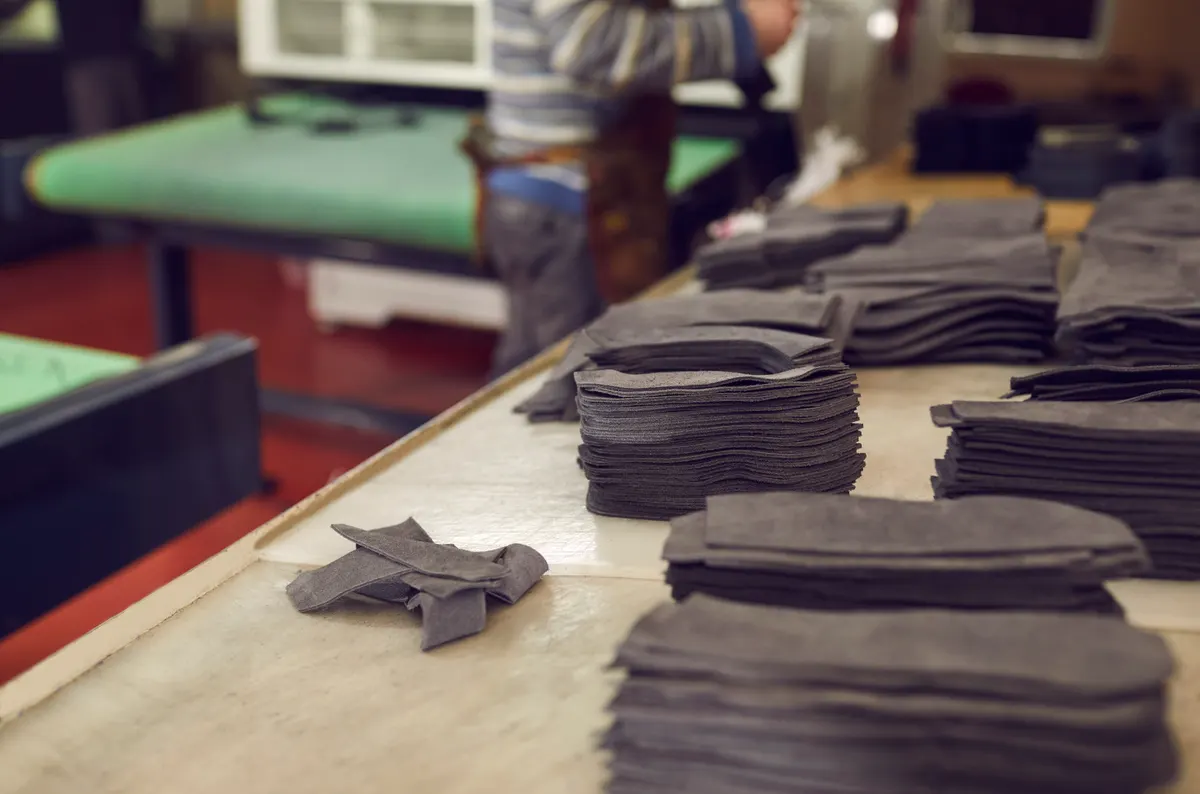
Vegan footwear marketing agency: lots of details for future footwear lying on table in workshop at shoe making factory.

What a vegan footwear buyer checks

Vegan footwear has two audiences and most brands only write for one. The first is committed and searches for the word vegan directly, checks whether the glue and the lining qualify, and wants to know what the upper is actually made from. The second cares about the shoe first and treats the materials as a reason to feel good about a purchase they were already making. A site that speaks only to the first stays small, and a site that speaks only to the second loses the buyers who would have become its advocates.

We work with vegan footwear brands that already sell online, from plant-based sneaker labels to synthetic leather boot makers and recycled-material sandal brands. The plan is built around the three problems this category actually has: naming materials in a way that survives scrutiny, answering the durability objection before it is asked, and keeping environmental claims inside the rules that regulators now apply to them.

The committed buyer audits the shoe. They want to know what the upper is, whether the adhesive is animal free, what the lining and the insole board are made from, and whether the whole product qualifies or only the visible part. A shoe described as vegan with a description that only mentions the upper invites the question, and if it is not answered on the page it is asked in public.

Materials have names now, and the names matter. Apple and grape residue based materials, cactus based sheets, recycled polyester from bottles, natural rubber, cork, microfibre, bio based polyurethane. Buyers search for these specifically, so writing the actual material rather than the phrase vegan leather is both more honest and better for search.

The second thing checked is durability, which is the standing objection to the whole category. Buyers have had synthetic shoes crack or peel and they want to know why yours will not. Answer with construction detail, a warranty term if you offer one, and care instructions written for the specific material.

The third is the rest of the story. Where it is made, how the workers are treated, what the packaging is, what happens to the shoe at the end. This buyer reads all of it, and any part left blank is assumed to be the weak part.
Where vegan footwear brands
lose revenue

The four levers, in this niche.

Visitors

Rank for the material, not only for the word vegan

The word vegan is expensive and crowded. The material names are not. Searches for a specific plant based material, for animal free glue, or for vegan versions of a particular style bring people who are further into the decision and cost less to reach. We build search, Shopping and content around those terms, plus the style searches where being vegan is the tie-breaker rather than the reason.

Conversion rate

Answer durability before it is asked

The reason a considered shopper leaves a vegan footwear page is a doubt they have had confirmed before by a pair that peeled. Meet it directly: what the material is, how the shoe is constructed, how long it should last, how to care for it, and what happens if it fails. A materials breakdown listing upper, lining, insole, outsole and adhesive removes the second doubt, which is whether the whole shoe qualifies.

Average order

Care made for the material and the accessories that fit the values

Synthetic and plant based uppers need different care from leather, and most owners do not know that. A protector and cleaner formulated for the material is a useful add that also extends the life of the shoe, which supports the durability argument. Beyond care, the natural companions are animal free socks and laces, plus a second colour, which in a values-led brand is an easier ask than in most footwear.

Repeat purchases

Take-back, repair and a brand people join

This customer buys the brand, not just the shoe, which makes retention the strongest lever available. A take-back or recycling programme gives you a reason to contact owners at the end of a shoe's life, at exactly the moment they need the next pair. Repair services and replacement laces and insoles extend the same relationship. Early access to new colours works better than discounting for a list that chose you on principle.

What we do for
vegan footwear brands

Five channels, one plan.

Google Shopping and search

Shopping around material terms and style substitution

Shopping campaigns split three ways. The first covers material-led searches, where somebody is looking for a specific plant based or recycled material and the intent is high. The second covers substitution searches, where a shopper wants a vegan version of a familiar style, which is where most volume sits. The third is your ordinary style demand, where the shopper is buying a sneaker or a boot and your materials are the reason they choose yours.

Keep the word vegan in titles, since it is a filter term people use, but lead the title with the product and the material so the listing wins the specific searches as well as the general one.

Search campaigns should include the negatives this category needs badly: vegan food terms, recipe searches and general veganism content all pull clicks that never buy shoes. Add second-hand and dupe terms as negatives too.

Where your sizing is unisex, make sure the campaign and the feed present it that way rather than forcing a split that halves your relevance.

Meta and TikTok

Material proof and values content on Meta and TikTok

The content that works here shows the material rather than the mood. A close crop of a cactus based or apple based upper flexing, a cross section of the shoe, a side by side of a pair new and after a year of wear. That last one is the strongest asset in the category because it settles the durability objection with evidence rather than assertion.

Values content earns reach, but it must be specific. Where the factory is, what the packaging is made from, what the take-back programme does with returned shoes. Vague claims get challenged in the comments and challenged claims travel further than the ad.

Creator partnerships work best with people whose audience already follows them for this reason, since the recommendation carries weight the brand cannot generate alone.

On policy, keep environmental claims inside what the platforms and regulators allow. Words like carbon neutral, sustainable and plastic free carry legal weight in several markets, and a claim you cannot evidence is a problem for the business, not only for the ad.

Merchant Center and the feed

Material data, unisex sizing and claims in the feed

The material attribute is the most important field in this feed. Put the real material in it, and where a product mixes materials, list them in the order of prominence rather than writing vegan leather, which tells Google nothing and matches no query.

Colour, size, gender and age_group remain required for footwear in the main markets. Many vegan brands sell unisex ranges, so set gender to unisex and publish one size run rather than duplicating stock into two listings that compete with each other.

Certifications and programme names, where you genuinely hold them, go in product_detail as named pairs alongside upper, lining, outsole and adhesive. That breakdown is the single most useful structured data you can add, because it answers the question this category is always asked.

Be careful with environmental wording in titles and descriptions. Feeds are reviewed, and unsupported claims about recycling, carbon or biodegradability can cause item disapprovals as well as trouble under consumer protection rules in the markets you sell into.

SEO and AI search

Material explainers and the questions assistants get asked

The organic opportunity is in explanation, because this category is full of new materials that shoppers have heard of and do not understand. A page per material, covering what it is made from, how it wears, how to care for it and what its limits are, will rank for years and earns links from people writing about the same subject.

Substitution pages are the other half: vegan alternatives for each classic style you make, written as buying guidance rather than as a category listing.

AI assistants are asked whether vegan shoes last, whether a specific material cracks, whether a brand's glue is animal free, and which brands make a vegan version of a common style. Those answers should exist as plain first sentences on your pages, with the material breakdown underneath.

A published materials policy, listing what you use and what you exclude, is both an SEO asset and the page you can point to whenever a claim is questioned.

Email and SMS

Material education, wear updates and the take-back loop

The welcome sequence has more work to do here than in ordinary footwear, because the buyer wants to know who you are before they buy. Lead with the materials, then the construction and durability, then the making and the packaging. Product comes third and still converts, because trust is the obstacle rather than desire.

Post-purchase, send care instructions written for the specific material, since caring for a plant based upper is not the same as caring for leather and getting it wrong is what produces the peeling that the whole category is accused of.

A wear check some months in serves two purposes. It catches problems early and it collects the long-term wear photographs that make your best advertising.

The take-back or repair prompt closes the loop at the end of the shoe's life and opens the next purchase naturally. This list responds to launches, restocks and new materials far better than to discounts, and heavy discounting tends to unsettle a customer who chose the brand on principle.

First three fixes

What the plan usually starts with for vegan footwear brands.

  1. Publish a component breakdown on every product

    Upper, lining, insole board, outsole and adhesive, each named. It answers the question this category is always asked, it feeds product_detail, and it stops the comment threads that start when only the upper is described.

  2. Replace the phrase vegan leather with the actual material

    The generic phrase matches no specific search and tells a sceptical buyer nothing. The real material name ranks, converts better with informed shoppers and is easier to defend when a claim is questioned.

  3. Audit every environmental claim against what you can evidence

    Words like sustainable, carbon neutral and biodegradable are regulated in several markets and reviewed by ad platforms. Any claim that cannot be evidenced is removed or rewritten before it becomes an account or compliance problem.

Questions from vegan footwear brands

Include it, but not first. The word is a filter people use, so a title without it misses those searches, and a title that starts with it competes in the most crowded and expensive part of the category. Lead with the product and the material, then include vegan, so the listing wins both the specific material searches and the general one. The same applies to the feed and to page headings.

With evidence rather than reassurance. Show pairs after a year of wear, explain the construction and whether the sole can be replaced, publish care instructions written specifically for the material, and state your warranty terms if you offer them. The objection exists because shoppers have had synthetic shoes fail before, so a page that acknowledges that directly and then explains why yours is different does better than one that ignores it.

Any claim you cannot evidence at the level a regulator would expect, and broad claims about the whole product when only part of it qualifies. Several markets now have specific guidance on environmental claims in advertising, and platforms review feeds and ads against their own policies. Specific statements about what a material is made from and where a shoe is produced are safer and more persuasive than general words about being green.

Yes, and it is the question that separates a genuine vegan brand from one using the word loosely. Traditional shoe adhesives can be animal derived, so buyers in this category ask. Answer it on the product page as part of a component list rather than in a policy page nobody finds. Brands that answer it plainly get recommended in the communities where this audience actually asks for advice.

It is worth assessing against retention rather than logistics alone. A take-back or repair programme gives you a legitimate reason to contact an owner at the exact point their pair is worn out, which is the moment they are buying again. It also supports the environmental argument with an action rather than a claim, which is the kind of proof this audience gives credit for.

Other footwear stores we work with

Send your vegan footwear brand store.

The plan says which lever is leaking and what to fix first, for your store as it is today.

Store, name, email and phone. A person replies from a real inbox. Privacy

Get your free growth plan