Skip to content

Shoe care product marketing agency

Growth plans for shoe care brands: colour matching, aerosol shipping limits, low basket values and a genuine consumable reorder cycle.

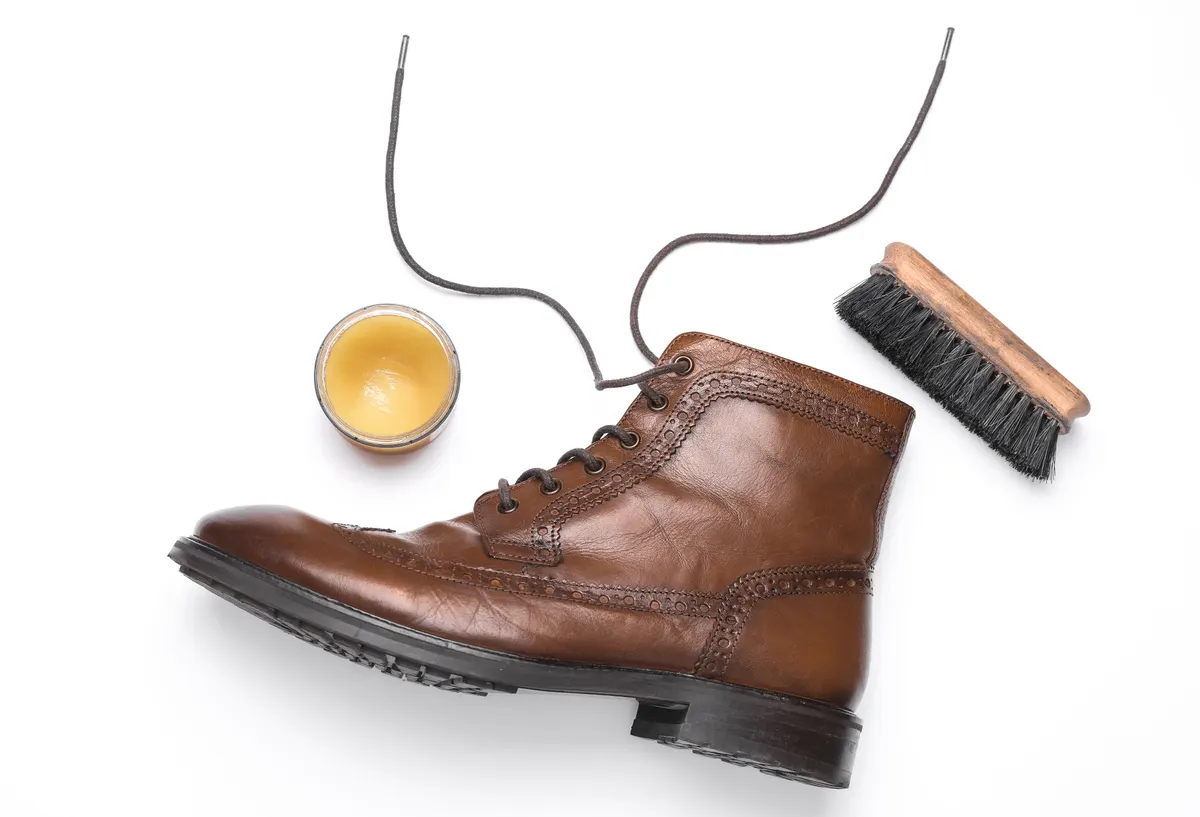
Shoe care product marketing agency: shoe care products and leather boot on white background.

The buyer has a problem and a deadline

Shoe care is a consumables business dressed up as a footwear business, and it should be run like one. A tin of cream, a bottle of cleaner and a can of protector all run out, which gives you something most footwear brands would trade a great deal for: a customer with a real reason to come back several times a year. The obstacles are equally specific. Basket values are small against the cost of shipping, aerosols cannot be sent everywhere, and the biggest question a buyer has is whether the colour will match a shoe you cannot see.

We work with shoe care brands that already sell online: polish and cream makers, sneaker cleaning ranges, waterproofing and protector lines, and brands selling brushes, trees and repair products alongside them. The plan is built around kits and reorders rather than single-item sales, and around content, because in this category the instruction is the advertisement.

Nobody browses shoe care. They come with a stain, a scuff, a pair of white trainers that has turned grey, salt marks after winter, or a wedding on Saturday and shoes that need reviving. The searches are problems, not products, and the brand that answers the problem gets to sell the product.

Colour matching is the decisive question for creams and polishes. A buyer holding a mid-brown shoe is trying to work out which of your browns will not ruin it, and a colour swatch on a screen is not enough on its own. Guidance about going lighter rather than darker, about testing on a hidden area, and about neutral options for uncertain colours removes the doubt that stops the order.

Material dictates everything else. Smooth leather, suede, nubuck, patent, canvas, knit and synthetic uppers each need different products, and using the wrong one causes visible damage. Organising the range by material rather than by product type matches how people actually search.

The last thing is that this buyer is trying to save a pair of shoes they like. That is an emotional purchase, not a maintenance chore, and the writing should treat it that way while still telling them exactly what to do.

Where shoe care product brands
lose revenue

The four levers, in this niche.

Visitors

Rank and bid on the problems, not the products

Demand here is written as problems: how to remove salt stains, how to clean white trainers, how to restore suede after rain, what to use on patent leather. That is where the volume is, and it is cheap because most advertisers bid on product nouns instead. We build content and campaigns around the problem language, with the product as the answer at the end rather than the headline at the start.

Conversion rate

Solve colour and material doubt on the page

Two doubts stop the order: will this colour match, and is this the right product for my material. Fix both. Show swatches on real leather in different lights, publish a matching guide with the advice to go lighter, and offer a neutral option. Then label every product by the materials it suits and the ones it must not be used on. A short application video on the page settles the rest.

Average order

Kits, because nobody needs only one thing

A single tin of cream is a poor order once shipping is paid. Cleaning a shoe properly needs a cleaner, a conditioner, a colour, a brush and a cloth, so sell the routine as a kit and let people buy the refills individually afterwards. Set the free shipping threshold at a level a genuine kit reaches, and offer larger sizes for people who already know the product works.

Repeat purchases

A reorder cycle you can actually predict

Consumables empty at a rate you can estimate from the size sold and how often a customer says they use it. That makes a timed reorder message, or a subscription for the products used most often, straightforward and welcome. Seasonal triggers help too: protector before the wet months, salt stain removers in late winter, suede care when the boots come out. The customer who bought a brush comes back for refills for years.

What we do for
shoe care product brands

Five channels, one plan.

Google Shopping and search

Shopping structured by material and by problem

Campaigns split by material first, since suede, smooth leather and trainer cleaning are effectively three different markets with different buyers and different price points. Within each, separate kits from single items, because kits carry the shipping economics and deserve the stronger bids.

Colour variants need careful handling. A cream that comes in many shades should be one item group with the colour as the variant, so the listing shows the range rather than competing against itself.

Search campaigns follow the problem phrases, which convert better than product nouns and cost less. Include the searches about what not to use, since those buyers are one sentence away from purchasing the right product.

Mind the shipping settings. Aerosol protectors are restricted on some carriers and to some destinations, so the products and the countries they can reach must line up with what the feed advertises. A listing that appears where it cannot be shipped wastes budget and produces a cancelled order.

Meta and TikTok

Before and after is the whole strategy

This category is made for short video because the transformation is visible in seconds. A grey trainer turning white, a scuffed toe cap coming back, a rain-ruined suede boot brushed back to life. Nothing else you can film competes with it.

Build a library organised by problem rather than by product, because each clip can run for years and each one answers a search someone is making today. Film the failures too, honestly: what happens when the wrong product goes on suede is useful content and it builds trust.

Creator partnerships work with sneaker and menswear accounts whose audiences already care about keeping shoes looking new, and the products are inexpensive enough to seed widely.

Watch the claims. Waterproof and stain proof are strong words, and a protector that repels water is not the same as a boot that is waterproof. Describe what the product does in plain terms, since overstatement here produces refund requests and comment threads rather than sales.

Merchant Center and the feed

Kits, sizes and shipping restrictions in the feed

Two structural fields matter more here than in footwear itself. Multipacks and kits should be identified as bundles so Google understands that a boxed set is one purchasable item rather than a mismatch against the individual products it contains.

Unit pricing is the second. Several markets require a price per unit of volume for liquids, so submit the size in millilitres or grams accurately, which also lets shoppers compare your larger sizes fairly against the small ones.

Colour variants belong in one item group with a consistent naming scheme, and the materials each product suits go into product_detail as named pairs, since that is the filter buyers care about.

Shipping is where this category has a problem no other footwear niche has. Aerosols and some solvent based products are classed as dangerous goods, which restricts air freight and certain destinations. Shipping settings and the countries you advertise in have to reflect that, and hazard information required by the markets you sell into should be on the page as well as on the label.

SEO and AI search

Instructions are the product, and assistants quote them

The strongest asset in this business is a properly written instruction library. One page per problem and material combination: cleaning salt marks from leather boots, reviving nubuck, removing creases from a toe cap, cleaning knit trainer uppers, what to use on patent. These pages rank permanently, they are linked to constantly, and each one ends with the product that does the job.

A colour matching guide is the other essential page, explaining how to choose a shade and why going lighter is safer.

AI assistants are asked these questions in enormous numbers: how to clean white trainers, whether a product is safe on suede, what removes salt stains, how often leather should be conditioned. The pages that get quoted are the ones that answer in a plain first sentence and then give the steps. Write them that way, keep the steps numbered in your page structure rather than buried in prose, and name the material limits explicitly, since the wrong recommendation from an assistant damages someone's shoes.

Partnering on care content with footwear brands whose shoes your products suit earns links no advertising can buy.

Email and SMS

Refill timing, seasonal triggers and the kit that started it

The reorder is the business. Estimate the life of each size from typical use, ask how often the customer cleans in the welcome flow, and send a refill reminder on that basis. Subscriptions suit the fastest moving items, such as trainer cleaner and protector, while the slower items sit better as a reminder than a commitment.

Seasonal triggers add a second rhythm. Protector before the wet months, salt and stain removal in late winter, suede care when boots come out of storage, a full clean before the summer occasions. These sends work because they arrive when the customer is looking at the problem.

Post-purchase, send the instructions for what they bought, not a general newsletter. A customer who uses the product correctly the first time becomes a repeat buyer, and one who ruins a shoe never orders again.

Segment by material, since a suede customer and a trainer cleaning customer want different products. Where you sell to cobblers and retailers, keep that list separate and lead with case quantities and stock rather than consumer content.

First three fixes

What the plan usually starts with for shoe care product brands.

  1. Reorganise the range by material and problem

    Buyers arrive with a stain and a material, not with a product type in mind. Navigation, campaigns and content organised the way they search converts better than a catalogue arranged by what the factory makes.

  2. Set the shipping threshold where a real kit lands

    A single tin barely covers postage. Build the routine as a kit, price it so the free shipping threshold is reachable in one sensible order, then sell refills individually to a customer who already trusts the product.

  3. Align aerosol listings with where they can actually ship

    Aerosol protectors are dangerous goods for many carriers, which limits air freight and some destinations. Feed shipping settings and country targeting must match reality, or you pay for clicks that end in cancelled orders.

Questions from shoe care product brands

Show swatches applied to real leather rather than as flat colour blocks, photograph them in daylight and in indoor light, and publish a matching guide that tells people to go a shade lighter when unsure and to test on a hidden area first. Offer a neutral product for anyone who cannot decide. Repeat the guidance in the order confirmation so a change can be made before dispatch, since colour is the most common wrong-order in this category.

Sell the routine rather than the item. Cleaning a shoe properly needs several products, so build kits by material, set the free shipping threshold where a genuine kit reaches it, and offer larger sizes to customers who have already bought the small one. Then focus on the second and third orders, since a consumables customer who reorders three times a year is where the margin actually is.

Only if that is precisely what it does, which for most sprays it is not. A protector that repels water and resists staining is a different claim from a waterproof boot, and overstating it produces refunds, poor reviews and challenges to your advertising. Describe the effect plainly, say how long it lasts and how often to reapply, and let the demonstration video carry the persuasion instead of the adjective.

Yes, they shape which markets you can sell in. Aerosols and some solvent based products are treated as dangerous goods, which limits air freight and certain destinations and can require specific packaging and paperwork. Check what each carrier accepts, restrict the countries those products are advertised in, and where a market is closed to the aerosol, promote a pump or cream alternative rather than losing the customer.

It is one of the better routes in this category. Brands selling leather shoes, boots and trainers need care content and care products for their customers, and they have audiences who have just bought something worth protecting. Supplying care instructions written for their specific materials, or supplying the products they recommend, earns links, referral traffic and a wholesale line at the same time.

Other footwear stores we work with

Send your shoe care product brand store.

The plan says which lever is leaking and what to fix first, for your store as it is today.

Store, name, email and phone. A person replies from a real inbox. Privacy

Get your free growth plan