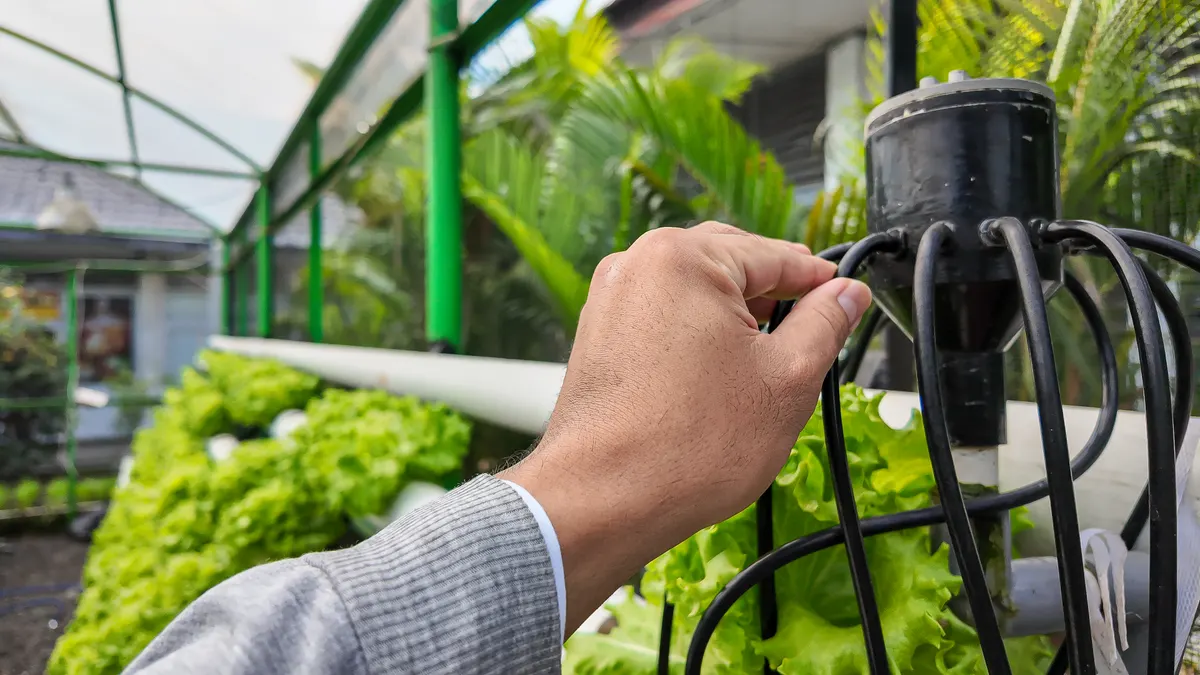
Hydroponics has the best repeat revenue in the whole garden category and the most difficult advertising conditions. Nutrients run out every few weeks, media gets replaced every cycle, pH pens need calibration solution, and filters need changing, so a customer who stays is worth many times their first order. At the same time the platforms watch this category closely, because the same equipment is used for crops that ad policies restrict, and one careless piece of creative can cost an account.
We write growth plans for hydroponics stores that already sell online. The plan covers the nutrient and consumable cycle that should drive most of your marketing, the lighting and system specifications customers compare, the freight cost of shipping heavy liquids and bulky media, and a disciplined approach to ad policy that keeps the account working.
It also deals with the split between the beginner who wants a countertop herb system and the serious grower running a room, because they need completely different pages.
New growers buy a system and then discover a shopping list. They need nutrients, usually a two or three part formula plus a calcium and magnesium supplement, pH up and down, a meter and its calibration and storage solutions, media, and something to measure or control the environment. Very few stores lay that out clearly, so the beginner assembles it across three sites and forms no loyalty to any of them.
Experienced growers buy differently. They know their formula, they know their media, and they reorder the same things in larger sizes. Their questions are about compatibility and performance: whether a nutrient line suits coco, what PPFD a light delivers at a given height, how much air a filter and fan combination can handle. They also compare price per litre rather than price per bottle.
The technical vocabulary is precise and worth using correctly, because getting it wrong signals that you do not grow. PPFD and DLI rather than lumens or watts, EC or PPM with the conversion scale stated, coco versus rockwool versus clay pebbles, deep water culture versus drip versus recirculating.
Shipping is a real constraint. Nutrients are water and they are heavy, media is bulky and light, and some pH adjusters are concentrated acids with transport restrictions. Bundling has to account for all three.