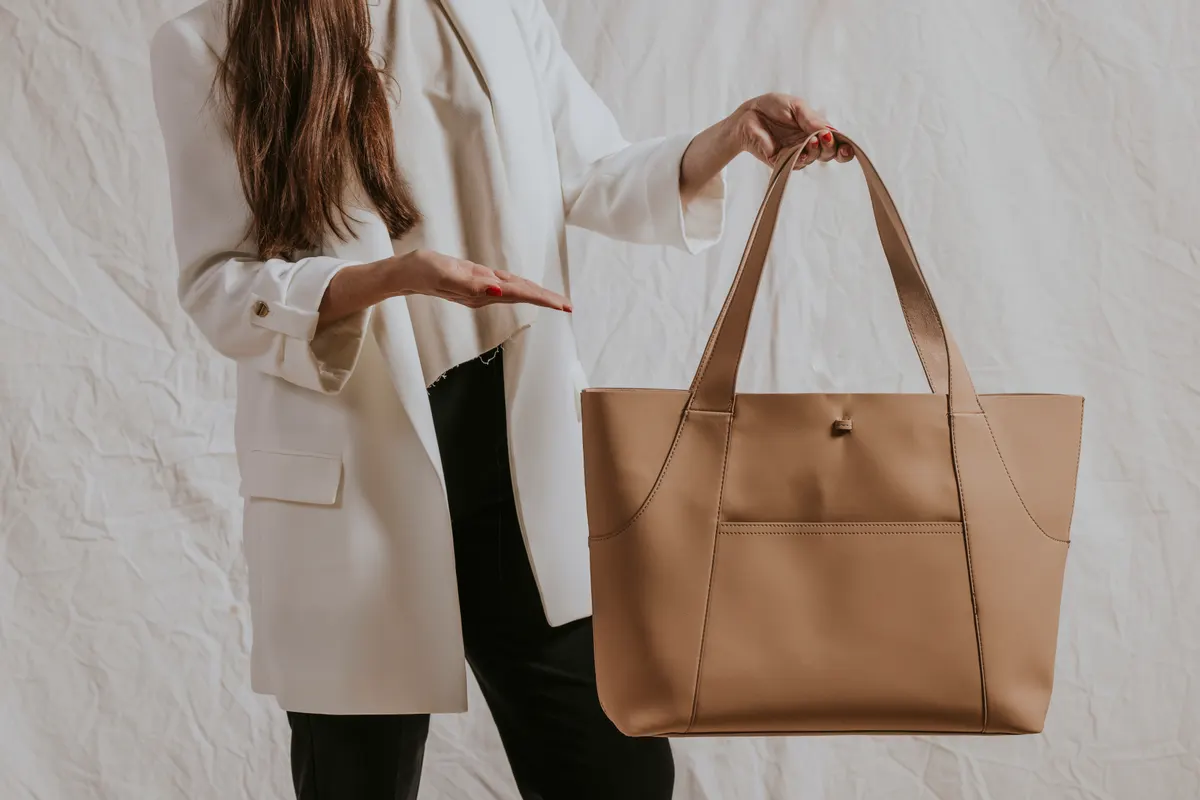
A handbag is bought for what it holds and how it hangs. The shopper wants to know whether a 13-inch laptop fits, how the strap drop sits on a body of their height, what the leather is and how it will age, whether the hardware is gold or silver tone, and whether this season's colour will still look right next year. They compare across your own styles, tote against crossbody against top handle, and they return bags that turned out smaller or a different shade than the photo suggested. Most orders are self-purchases spread across the year, with a gifting rise in December and around Mother's Day, and with a seasonal rhythm of new colourways that brings the best customers back.
We grow handbag brands that already sell online by working visitors, conversion rate, average order value and repeat purchases, with the interior, the dimensions and the colour truth at the centre of every channel. The work starts with a free written growth plan built on your own order and returns data, then a base fee plus growth share scoped in that plan.
The handbag shopper starts with a use. A work bag that fits a laptop and a water bottle, a crossbody for weekends that holds a phone and a card case, a tote for travel, an evening bag for one wedding. From that use she goes to the practical questions: the dimensions in centimetres, the interior layout, the strap drop and whether it is adjustable, the weight empty, the closure, the leather or fabric and how it wears, and the hardware colour. She wants to see the bag on a body with the person's height stated, the interior open and filled, and the colour in daylight rather than under studio lights.
Colour is the most common return reason after size, and both are photo problems. A bag that reads as tan online and arrives as orange, or a 'medium' that turns out too small for the laptop, comes back, and each return on a leather bag costs more than the shipping.
The second bag is easier than the first. Once the shopper trusts the leather and the sizing, she returns for the seasonal colour, the smaller style for weekends, or the matching wallet and card case. The brand that builds that trust with honest photos and complete dimensions earns the second and third orders, and the marketing has to protect that trust in every ad and feed line.