Skip to content

Equestrian supply marketing agency

Growth for equestrian supply stores online: rug and boot sizing, rugging and fly seasons, rider and horse baskets, heavy feed shipping and helmet standards.

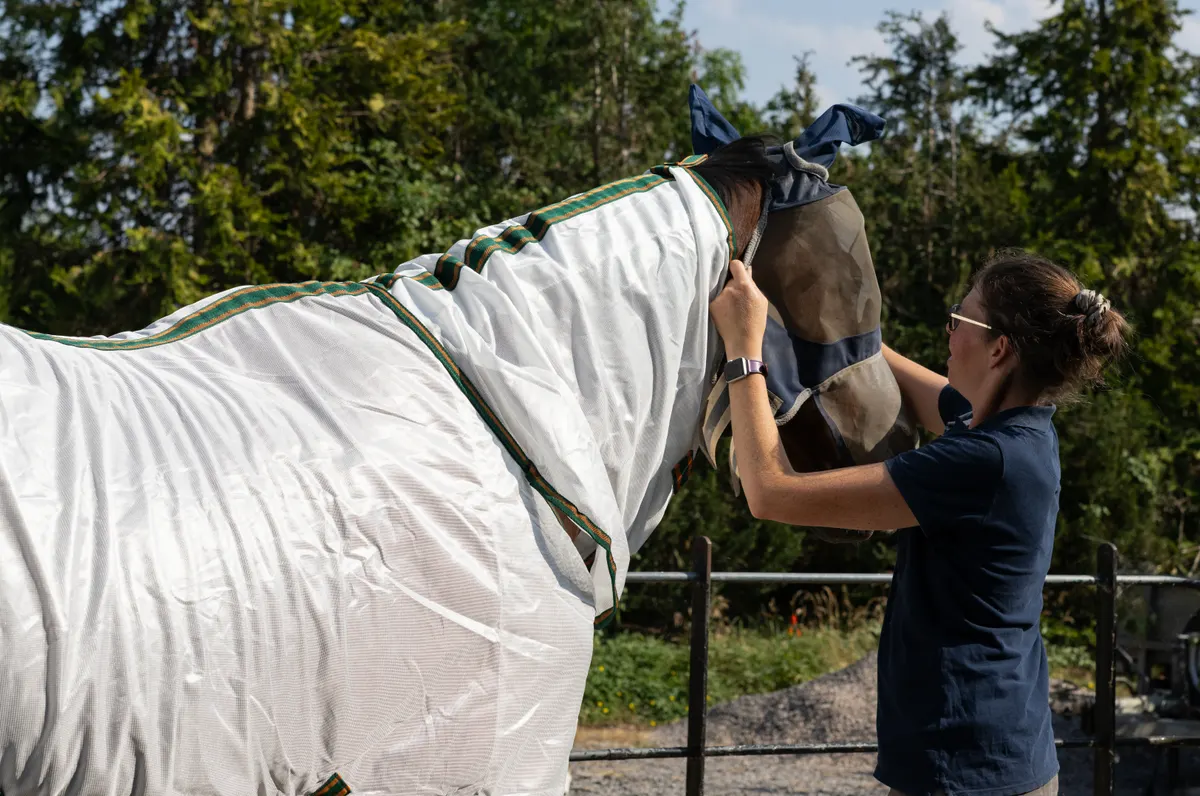
Equestrian supply marketing agency: horse Having Fly Mask Put On.

How riders and horse owners buy online

An equestrian store sells to a rider and a horse at the same time, and the two have different sizes, different seasons and different price points. The rider buys breeches, boots, a helmet and gloves in human sizes. The horse gets rugs measured across the back in feet and inches or centimetres, a bridle by head size, boots by leg, and feed and supplements by the sack. The basket is large, the goods are bulky, and the customer is usually a woman or a parent of a pony club child who knows exactly what she wants.

The calendar is set by the horse. Rugging season starts as the nights cool and runs through winter, fly season starts in spring, show and competition seasons shape the apparel spend, and hoof care, wormers and supplements run year-round. Saddle fit is its own world, with trial periods and returns, and helmets carry safety standards that riders check before price.

We work with equestrian supply stores that already sell online and want visitors, conversion rate, order value and repeat purchases to move together. The growth plan is free and written for your store. If you take it further, the fee is flat and monthly.

The equestrian shopper arrives with two sets of measurements and a discipline. She rides dressage, eventing, show jumping, western or hacks out at weekends, and the discipline decides the tack, the apparel and the vocabulary. She knows her horse's height in hands, its rug size from the last one that fitted, and her own boot and breech sizes from the brands she trusts.

Rugs are the biggest seasonal purchase and the one with the most sizing anxiety. Owners measure from the centre of the chest to the point of the buttock, but brands cut differently, and a rug that rubs the shoulders comes back. Weight of fill, neck style and waterproof rating are compared closely. Fly rugs and masks are the spring equivalent, bought as the first flies appear.

Rider apparel is bought like fashion, with fit and brand loyalty, but competition wear must meet the rules of the discipline. Helmets are checked for the safety standard they are certified to before anything else, and replaced after a fall. Boots are bought by foot size and calf measurement, which is the common return.

Feed, supplements, hoof dressings, fly spray and wormers are the replenishment side, heavy and regular. A sack of feed is bought where delivery is affordable; a supplement is bought online on a monthly cycle. Saddles are the rare high-value purchase, often bought after a fitter's visit, with a trial period expected. Once a store gets the sizing right on a rug and a pair of boots, the rider brings the rest of the yard's spending.
Where equestrian supply stores
lose revenue

The four levers, in this niche.

Visitors

Discipline and season set the calendar

Equestrian searches carry the discipline and the season: turnout rug for a cob, fly mask with ears, dressage breeches, eventing body protector. We build campaigns per discipline and per season, shifting budget into rugs as autumn arrives and into fly protection in spring, and keep the replenishment terms, supplements, hoof care, fly spray, running all year. Organic content answers the sizing questions that precede every rug and boot order.

Conversion rate

Rug sizing, boot sizing and saddle trials

A rug page converts when it shows how to measure, states the cut and fit notes for that brand, and names horse types it suits. We add a measuring guide with a photo, a fit note per rug, calf and foot measurements for boots, the safety standard on every helmet and a plain trial and returns policy for saddles. Fill weight, neck style and waterproof rating are shown in the same place on every rug so comparison is easy.

Average order

The rider and the horse in one basket

The equestrian basket is naturally large, and the store's job is to make the additions obvious. A rug pairs with a neck cover and a liner, a bridle with reins and a bit, boots with socks and a care kit, competition breeches with a show shirt and gloves. We build seasonal kits, a winter rug set, a fly protection set, a show set, and make them the first option, with the supplement or fly spray as the small addition that carries the basket over the threshold.

Repeat purchases

Fly spray, feed balancers and hoof care

Repeat in equestrian comes from the consumables and the seasons. Supplements and balancers run out monthly, fly spray through the summer, hoof dressings and wormers on a cycle, and rugs and fly gear come round every year. We time reminders to those cycles, set subscriptions on supplements, and send a seasonal message before rugging season and fly season with the customer's recorded rug size. Helmet replacement after a fall gets its own plain reminder.

What we do for
equestrian supply stores

Five channels, one plan.

Google Shopping and search

Shopping ads for rugs, boots and feed

Equestrian Shopping campaigns are split by horse goods, rider goods and consumables, because each carries a different price, season and return risk. Rugs are split by type, turnout, stable, fly, and titles carry the fill weight, neck style and size so the click matches the query. Rider apparel is split by discipline and by product, with size and colour variants each shown. Consumables are bid against delivered margin, since a sack of feed or a tub of supplement is heavy and the regions where shipping kills the price are excluded. Search ads target the sizing and discipline queries and send them to the measuring guide with products beneath it. Seasonal budget moves into rugs from late summer and into fly protection from early spring. Helmet and body protector listings state the safety standard in the title. Brand terms sit in a capped campaign. Saddles get search ads only, landing on the trial policy page, not Shopping.

Meta and TikTok

Yard content and the riding community

Equestrian social lives in the yard and at the show. The creative that sells is a rug going on a real horse with the size stated, a fly mask on a grey in June, boots being pulled on over the calf, a helmet's standard label shown close, a rider in the breeches on a horse and then at the show. We build ad sets per discipline and per season, with a rugging-season set, a fly-season set and a show-season set, and a replenishment set for supplements and fly spray aimed at existing customers. The brand films the measuring guide on a horse, the waterproof test on a rug, the boot fitting and the yard delivery of feed. Retargeting shows the rug in the size and fill weight viewed, then the neck cover and liner. Community content, yard tours and rider stories, keeps the audience warm between seasons without selling.

Merchant Center and the feed

Apparel attributes for rider wear

The equestrian feed spans apparel, tack and consumables, and rider wear follows apparel rules. Breeches, boots, jackets and gloves carry size, colour, gender and age group, with each size and colour as its own variant grouped by item group id, and size type where it applies. The Google product category places rider apparel under equestrian riding apparel and horse goods under equestrian horse care and tack, not under pet supplies, which matters for how Google matches the query. Rugs carry the size in the title in the unit your market uses and the fill weight in product highlights. Helmets and body protectors carry the safety standard in the description. Feed and supplements carry unit pricing per kilo and shipping weight, with regional shipping rates set honestly. Custom labels mark discipline, season and consumable band. Availability on rugs must be accurate through autumn, when a size gap on a popular turnout produces a run of disapprovals.

SEO and AI search

Sizing questions riders ask AI

Riders ask assistants how to measure a horse for a rug, what size rug a horse of a given height needs, how heavy a fill to use at a given temperature, what the difference is between the helmet standards, how to measure a calf for tall boots, and how long a fly mask should stay on. Assistants answer from pages that give the method and the numbers, so we write a measuring guide per product type, a rug weight guide by temperature, a helmet standards page in plain language and a section on every product page stating fit notes and the horse or rider it suits. Collections are organised by discipline, by season and by horse type, cob, pony, thoroughbred, as well as by product. Size charts are written in text as well as tables. Each rug says which builds it does not suit, which prevents the shoulder-rub return and earns the citation.

Email and SMS

Rugging season and fly season flows

The equestrian email calendar follows the horse. Late summer brings the rugging-season message with the customer's recorded rug size and the fill weights they bought before, plus the neck cover and liner. Early spring brings fly protection with the mask and rug sizes on file. Show season brings competition wear by discipline. Supplements and balancers run on a monthly reminder with a subscription offer, fly spray on a summer cycle, hoof care and wormers on their own intervals. The post-purchase flow for a rug asks for a fit check in the first week and explains what shoulder rub looks like. A helmet buyer gets a reminder to replace after any fall. Saddle buyers get the trial timeline and the fitter's checklist. SMS is used for delivery of heavy feed only. Win-back leads with the seasonal item the customer bought last year.

First three fixes

What the plan usually starts with for equestrian supply stores.

  1. Fix the rug size chart

    Rug returns come from brands cutting differently and owners measuring differently. Put a photographed measuring method on every rug page, add a fit note for each brand and cut, and name the horse types it suits and does not. Returns fall and the reviews stop mentioning shoulder rub.

  2. Fix the helmet standards page

    Riders check the safety standard before the price, and a store that does not explain the standards in plain language loses the sale to one that does. A page explaining what each standard means, which disciplines require which, and when to replace a helmet is both a conversion tool and a citation source.

  3. Fix heavy feed shipping

    A sack of feed priced with parcel shipping either loses money or shocks the customer. Set shipping by weight band and region, show the delivered price on the product page, and pair feed with supplements so the basket carries the cost. Exclude regions where it cannot work.

Questions from equestrian supply stores

The customer is buying for a rider and a horse at once, in human sizes and horse sizes, across a calendar set by rugging, fly and show seasons. Categories in Merchant Center sit under equestrian, not pet supplies, and rider wear follows apparel rules. Baskets are larger, goods are bulkier, and sizing anxiety on rugs and boots drives the returns.

Late summer into autumn for rugs, early spring for fly protection, and around the show season for competition wear by discipline. Consumables such as supplements, fly spray and hoof care run steadily all year and suit subscriptions rather than seasonal campaigns.

Yes, with a trial period, a fitter's checklist and search ads rather than Shopping. Buyers usually arrive after a fitter's visit knowing the make and size they want. The product page should state the trial terms, the return condition and the sizes plainly, and the post-purchase flow should follow the trial timeline.

Move the sizing from guesswork to measurement. Rugs get a photographed measuring method, a fit note per brand and named horse types. Boots get foot and calf measurements with a chart per brand. A fit check email in the first week catches problems early. This is where most equestrian returns come from and it is fixable.

Yes. Supplements and balancers suit monthly subscriptions, fly spray runs on a summer cycle, and hoof care and wormers have their own intervals. Feed is heavy and needs shipping by weight band and region. We build the reminders and subscriptions around those cycles alongside the seasonal tack and apparel campaigns.

Other pets stores we work with

Send your equestrian supply store store.

The plan says which lever is leaking and what to fix first, for your store as it is today.

Store, name, email and phone. A person replies from a real inbox. Privacy

Get your free growth plan