Skip to content

Boot marketing agency

Growth plans for boot brands selling online: an autumn season that decides the year, calf and shaft fit, heavy returns and the resole customer.

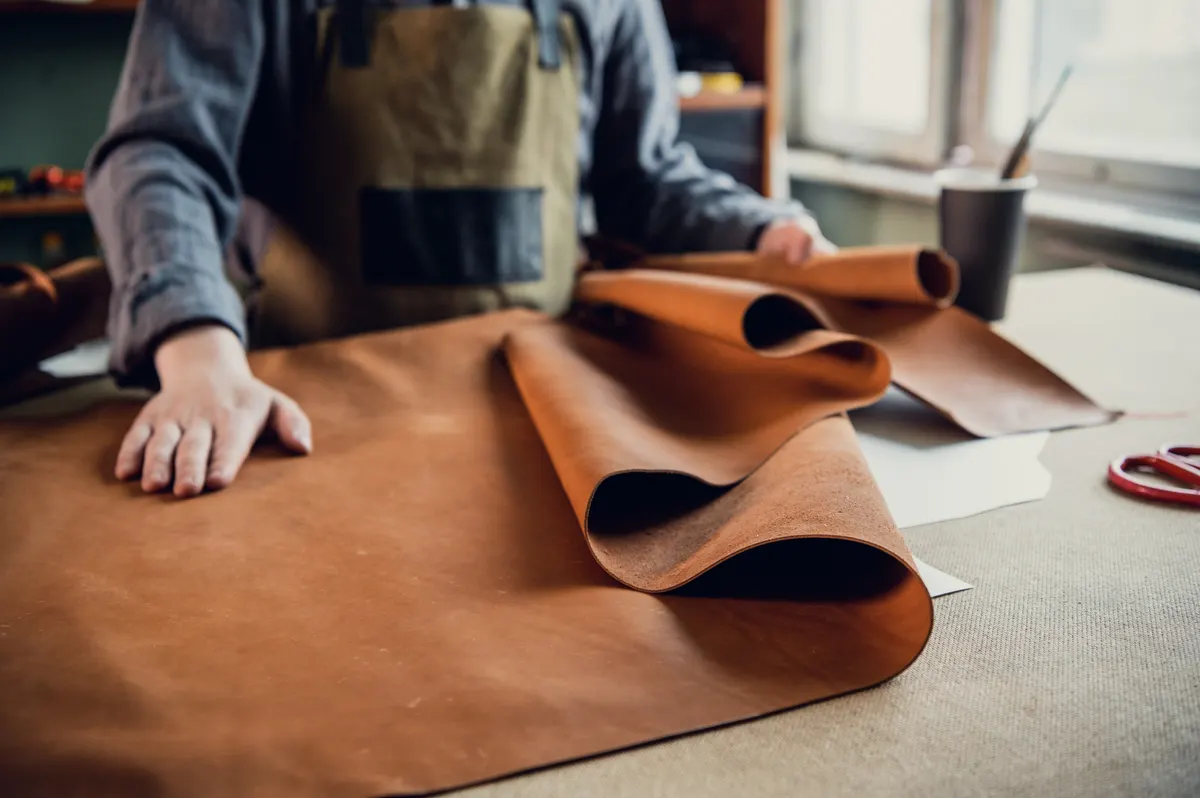
Boot marketing agency: a young apprentice in a boot workshop prepares leather for further use on a large table.

How boot buyers choose

A boot brand earns most of its year in one season and spends the rest of it waiting. Demand starts building as the weather turns, peaks through the holidays, and then falls off a cliff in the new year when the same boots have to be cleared at a discount. Every decision about ads, stock and email has to be made with that shape in mind, and most boot stores make them too late, spending hardest in December when the shoppers who were going to buy have already bought.

We work with boot brands that already sell online: Chelsea and chukka makers, western and heritage labels, hiking and weather boot brands, tall boot specialists. The plan is built around your season, your fit reality and the weight of what you ship. Boots are heavy and expensive to return, sizes are often whole sizes only, and tall styles introduce calf circumference as a second dimension of fit. Getting those three things right on the page is worth more than any amount of extra traffic, so we start there and work outward to the channels.

Boot buyers shop by occasion and by weather before they shop by style. A search for 'waterproof boots' in October is someone who got their feet wet last week. A search for 'Chelsea boots' in November is someone dressing for the season ahead. A search for 'boots for wide calves' is someone who has been let down before. Each of these lands on a product page with a different question, and the page has to answer all of them.

The fit question in boots has two parts that sneakers and sandals do not have. Length is one. The other is the shaft: how tall it is, how wide it is at the calf, whether it zips or pulls on. A tall boot that fits the foot but not the calf goes back, and it goes back in a heavy box that costs you twice. Shaft height and calf circumference in centimetres, stated per size, are the most valuable words on a tall boot page.

Boot buyers also expect a break-in period for leather styles and will tolerate it if you tell them. What they will not tolerate is a boot described as waterproof that is only water-resistant, or a leather described as full-grain that is corrected. Material and construction claims in boots are checked, by reviewers and by shoppers asking AI assistants whether the claim holds.

The last thing to know is that boot buyers keep boots. A customer who bought a welted pair three winters ago is a candidate for resoling, for care products and for a second style, not for a replacement. The repeat purchase in boots is a relationship, not a cycle.

Where boot brands
lose revenue

The four levers, in this niche.

Visitors

Be visible in September, not December

Boot searches start weeks before boot sales. Shoppers research in early autumn and buy when the first cold week arrives. The plan pulls Shopping and search budget forward into the research window, holds it through the peak, and cuts it hard in January when the same clicks turn into discount hunters. Weather-triggered bid adjustments and a separate campaign for waterproof and weather styles catch the sudden demand a cold snap creates.

Conversion rate

Shaft, calf and whole-size honesty

Boot pages convert when they state shaft height and calf circumference per size, explain whether the style is whole sizes only and what to do if you are a half size, and describe the break-in truthfully. We add a fit section to every product page with those measurements, a photo of the boot on a leg for scale, and a returns statement that mentions the cost of returning a heavy box, because a shopper who knows that is more careful choosing.

Average order

Care, trees and the weatherproofing kit

A leather boot sold without a care product is a missed line on the order. Conditioner, protector spray, cedar shoe trees and a horsehair brush belong on the product page and in the cart as a kit, priced so that adding it is an easy yes. For weather boots the companion is thick socks or spare insoles. The kit also reduces early wear complaints, which protects reviews.

Repeat purchases

Resole, recondition, then the second style

Boot customers come back for service before they come back for product. A resoling programme, or a partnership with a cobbler for brands that do not offer it, keeps the customer in touch through the years the boot lasts. Email flows built on that: a care reminder at the start of each season, a resole prompt a couple of winters in, and a second-style offer for the customer whose first pair has proved the fit.

What we do for
boot brands

Five channels, one plan.

Google Shopping and search

Seasonal Shopping campaigns with weather-aware budgets

Shopping for boots is a seasonal campaign with a clear on and off. We structure it by boot type, because a shopper searching for hiking boots and one searching for Chelsea boots are different people with different price expectations, and one campaign cannot bid well for both. Weather and waterproof styles get their own campaign with budget that can be raised quickly when a cold or wet week arrives, since that is when those searches spike.

Bid strategy shifts through the season. In the research window, target ROAS is loosened to win the early clicks that convert later. Through the peak it tightens. In January it tightens hard or the campaign pauses, because the clicks are now discount hunters and clearance stock has thinner margin. Feed rules pause variants when a size sells out, which matters more in boots than most categories because whole-size runs sell through unevenly.

Search ads cover the style names and the material terms: Chelsea, chukka, western, Goodyear welt, full-grain, waterproof. Negative keywords remove repair, resole and cleaning searches from product campaigns, unless you sell those services, in which case they get a campaign of their own.

Meta and TikTok

Autumn creative that shows the boot in weather

Boot creative on Meta and TikTok works when it shows the boot doing its job: wet pavement, a trail, a winter city. Studio shots on white sell fewer boots than a pair walking through rain. We build a seasonal creative set in late summer so it is ready when the research window opens, and refresh it through the peak with customer content and detail shots of the leather, the sole and the welt.

Targeting starts with last season's buyers and site visitors, because the person who bought boots from you last autumn is the best prospect for a second style this autumn. Then lookalikes from that group. Broad targeting is worth testing late in the peak when the whole population is thinking about boots anyway.

Catalogue ads carry the range through the season, showing the style a visitor viewed with the sizes still available. The catalogue is fed by the same feed as Shopping, so a sold-out size is removed from both at once. Policy is straightforward for boots, but claims are not: 'waterproof', 'lifetime' and 'handmade' each need to be true in the specific sense the shopper will assume, and ad copy that overstates a material invites both comment-section corrections and returns.

Merchant Center and the feed

Product detail attributes for shaft height and whole sizes

The Merchant Center feed for a boot brand carries the usual footwear requirements, gender, age_group, colour and size, plus two things specific to boots. The first is that many styles come in whole sizes only. We state that in the size attribute exactly as it is, and use the product page to explain how to size a half size, rather than inventing half-size variants that do not exist.

The second is shaft height and calf circumference for tall styles, which have no dedicated attribute. We submit them through product_detail as named pairs, for example 'Shaft height' and the value in centimetres, so they can appear in the listing and so Google understands the product. Material goes in the material attribute with the actual leather type, and for waterproof styles product_highlight carries the construction claim in plain words.

Shipping settings matter more for boots than for lighter shoes. A boot box is heavy, and if the feed's shipping cost does not match what the checkout charges, the listing is at risk of a price mismatch disapproval. We set shipping weight per item and keep the feed's shipping table in step with the store's actual rates. Seasonal stock is handled with availability set honestly and, for pre-season launches, preorder with an availability_date.

SEO and AI search

Style hub pages and the calf-fit question in AI search

Boot SEO is built on style hubs: one lasting page for each type of boot you make, with the individual colours and leathers as products beneath it. Those hubs rank year after year for the style term, and they are where we put the buying guidance: how the style fits, how it breaks in, what it is made for. Product pages then carry the per-size measurements.

The questions shoppers ask AI assistants about boots are about fit and durability. 'Do [brand] boots run big', 'how much do [brand] boots stretch', 'are [brand] boots waterproof', 'what calf width fits a [style]'. The pages that get quoted are the ones that state a direct answer in the first sentence and back it with a measurement. We write a fit and care page per style that does exactly that, and we keep the language plain enough that an assistant can lift it without rewriting.

Seasonal search demand is handled with content that is live all year and updated before the season, not published in October. A page on choosing a winter boot should be indexed and settled by late summer so it ranks when searches begin. Structured data marks up each variant with size and stock so the size grid can show in search.

Email and SMS

Season-open, care and resole flows across the years

Boot email runs on a yearly rhythm with a long tail. The season-open message goes to every past customer in late summer, showing what is new and reminding them of what they own. It is the most valuable send of the year because it reaches people who already trust the fit. During the peak, the cadence is weekly, with each message built around a style rather than a discount.

Post-purchase, the flow covers break-in expectations in the first week, care in the first month and a request for a review that mentions fit, since those reviews do the selling for the next customer. Then the flow goes quiet until the next season opens.

The long tail is where boot brands differ from the rest of footwear. A customer who bought a welted boot is worth a message each autumn for years: condition the leather, consider a resole, here is the style that pairs with the one you have. We build that sequence by purchase date so it keeps running without anyone touching it. SMS is reserved for restock alerts on the sizes that sold out during the peak and for weather moments, a short message when a cold week is forecast, sent to people who browsed weather styles but did not buy.

First three fixes

What the plan usually starts with for boot brands.

  1. Move ad budget into the research window

    Most boot brands spend in proportion to sales, which means spending most in December. We shift a share of that budget into September and October, when searches begin and clicks are cheaper, and cut spend in January when the same clicks stop converting at full price.

  2. Add shaft height and calf circumference per size to every tall boot

    Calf fit is the leading reason tall boots come back. Two measurements stated per size on the page, with a photo for scale, cut those returns and convert the shopper who has been burned before. It also feeds product_detail in Merchant Center.

  3. Turn last season's buyers into this season's first campaign

    Before spending on new audiences, we build the season-open email and the Meta audience from past customers. They know the fit, they trust the leather, and they are the cheapest sales of the year. New-customer acquisition starts after that list has been worked.

Questions from boot brands

State it plainly on the page and in the feed, and give a rule: for this style, half sizes should go up or down, whichever your fit data shows. Shoppers accept whole sizes if they are told what to do. What causes returns is silence, where the shopper guesses. The size guide should also mention whether thick socks change the recommendation, since many boot buyers wear them.

When searches begin, not when sales begin. That is usually late summer in northern markets, earlier for hiking styles and later for dress boots. We watch search volume for your style terms and open the campaigns as it starts to rise, so the brand is present through the research phase and not only at the point of purchase.

Reduce the guessing. Per-size shaft and calf measurements, honest whole-size guidance, a break-in note and a fit-focused review sort all reduce wrong-size orders. Stating the return terms clearly, including that the shopper pays for return shipping if that is your policy, also makes people choose more carefully without hurting conversion much.

For welted boots, yes. It gives you a reason to email customers years after the sale, it supports the durability claim that justifies the price, and it produces reviews that mention the boot lasting. Even if resoling is done by a partner cobbler, the programme is yours and the customer relationship stays with you.

Sell it to your own list first, then to past site visitors, before it goes to Shopping at a discount. Clearance through email and retargeting protects margin and keeps the discounted price away from new shoppers who would otherwise anchor on it. Shopping campaigns for clearance stock run with a separate, tighter ROAS target.

Other footwear stores we work with

Send your boot brand store.

The plan says which lever is leaking and what to fix first, for your store as it is today.

Store, name, email and phone. A person replies from a real inbox. Privacy

Get your free growth plan