Skip to content

Wide-fit shoe marketing agency

Growth plans for wide-fit shoe stores: width letter systems that disagree, stocking depth in the extreme fittings, and a customer who stays for years.

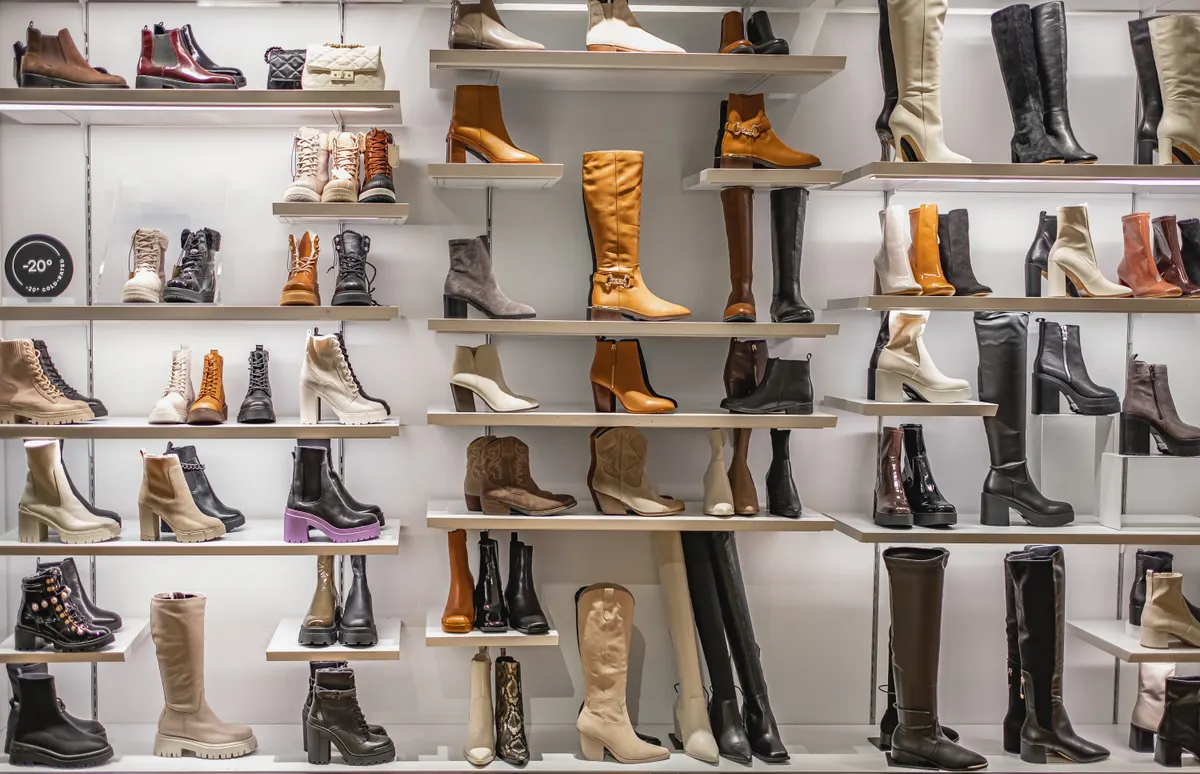
Wide-fit shoe marketing agency: women's boots on the shelves in the store. Store with fashionable women's shoes. Leather autumn-winter boots.

What a wide-fit shopper is really asking

A wide-fit customer has usually been failed several times before they find you. They have bought a larger size to get more width and had the heel slip. They have been told a style comes in wide and found it barely different. They have measured nothing because nobody has ever shown them how. That history is why this category converts far better than general footwear when the site is honest, and far worse when it is vague.

We work with wide-fit shoe stores that already sell online: retailers carrying several fittings across every size, brands built entirely on a wider last, and stores serving the extra-wide end where almost nobody competes. The plan is built around the awkward realities of the category. Width letters mean different things in different systems and different brands. The stock that sells fastest is the depth most stores refuse to carry. And a customer who finally finds shoes that fit does not go looking again.

The question underneath every page view is whether this shoe is genuinely wide or simply generous. Those are not the same thing, and this shopper knows it. A shoe built on a wider last has more room across the ball of the foot and a matching increase through the toe box and the instep. A standard shoe described as roomy does not.

The second question is which of your widths corresponds to what they already own. Width systems disagree. British fittings run in letters that are not the same as American widths, and a manufacturer's idea of extra wide is not a fixed measurement. A store that carries several brands is carrying several definitions of the same word, and the shopper is left to reconcile them.

The third is depth of stock. This customer has been told a hundred times that their fitting is out of stock in the style they wanted. Showing which fittings you hold across a whole size run is a stronger selling point than any offer.

Beyond width, this shopper often needs volume as well as breadth, meaning room over the instep rather than just across the ball. Adjustable fastenings, removable footbeds and stretch panels solve that, and describing them precisely is what separates a specialist from a shop with a wide filter.
Where wide-fit shoe stores
lose revenue

The four levers, in this niche.

Visitors

Bid on the width searches nobody else wants

Searches that name a fitting are specific, high intent and comparatively cheap, because general footwear advertisers avoid them. Terms combining a style with a fitting, an extra-wide letter code, or a phrase such as shoes for wide feet bring people ready to buy. We build campaigns around the width vocabulary of each market you sell in, and add style plus fitting combinations, which is where the volume quietly sits.

Conversion rate

Show measurements, not adjectives

This shopper does not trust the word wide, and they are right not to. Publish the actual width measurement at the ball of the foot for each fitting, explain how your letters map to the systems they may already know, and show the fittings you hold in stock rather than hiding sold-out options. A measuring guide for width, using a piece of paper and a tape, converts people who have never known their fitting.

Average order

More than one pair, because options are scarce

When someone finally finds a fitting that works, buying two is rational rather than indulgent. Present the same last in another colour or another style at the basket, since the fit risk has already been resolved. Wide socks that do not bind, shoe stretchers for the customer who needs a fraction more room, and stretch sprays for leather styles all sell well because they solve problems this customer already has.

Repeat purchases

Loyalty is the strongest asset in this niche

A customer who has struggled for years to find shoes will stay with the store that solved it, and will tell others with the same problem. Record the fitting they bought and never send them a standard-width launch again. Tell them when a style arrives in their fitting, tell them when a discontinued last is going, and ask for reviews that mention fit, because those reviews are what the next wide-fit shopper is searching for.

What we do for
wide-fit shoe stores

Five channels, one plan.

Google Shopping and search

Shopping that advertises the fitting, not just the shoe

Campaigns are structured by fitting first and style second, which is the reverse of most footwear accounts. That is because the fitting is the reason the shopper is here, and grouping by it lets you bid differently for the extra-wide end, where competition is thin and margins hold.

The fitting has to be visible in the listing, which means it has to be in the title as well as inside the size value, written in the letters your market uses.

Stock depth drives the strategy. Products where you hold the full size run in a fitting deserve more budget than products where only the middle sizes remain, since a click on a size you cannot ship is wasted twice.

Search campaigns cover style plus fitting phrases and the descriptive searches people use when they do not know their fitting. Negatives should remove wide-leg clothing searches, which arrive constantly and never convert, plus width searches for markets you do not ship to.

Meta and TikTok

Real feet and honest fitting content

Social in this category works when it shows actual feet that need width, which almost no footwear advertising does. A shoe photographed on a narrow foot tells your customer nothing except that you do not understand them.

The content that performs is instructional and reassuring. How to measure your width at home. What the difference between a wide fitting and a bigger size actually is. Why a shoe that fits across the ball can still be tight over the instep. This material gets saved and shared because nobody else is making it.

Customer content is unusually powerful here. People who have found shoes that fit after years of trying will say so at length, and that testimony persuades others with the same history better than any brand film.

Keep the language about comfort and fit rather than about foot conditions, since copy that implies knowledge of a viewer's health puts the ad account at risk under personalised advertising rules. The fit story is enough on its own.

Merchant Center and the feed

Width inside the size value, consistently, across brands

Merchant Center has no width attribute, so the fitting has to live inside the size value, and the format has to be identical across every product in the feed. A store carrying several brands usually inherits several formats, which fractures item groups and makes the same fitting look like different products.

Decide one format, apply it in the feed regardless of how each supplier writes it, and mirror it on the size selector so the page and the listing agree.

The width measurement, the last name and the system the letter belongs to go into product_detail as named pairs, which is the only structured way to say that one brand's extra wide is not another's.

Colour, size, gender and age_group remain required for footwear in the main markets. Availability accuracy matters more here than in general footwear, because a shopper who clicks through to find their fitting unavailable has had that experience many times and will not return. Feed rules should stop advertising a fitting the moment the run is broken.

SEO and AI search

Width guides, brand mapping and AI assistant questions

The definitive width guide for your market is the page this category is missing. What each letter means, how the systems compare, how to measure at home, and how the brands you stock actually run. It earns links, it ranks all year, and it is the page an AI assistant reaches for when someone asks how to tell whether they need a wide fitting.

Underneath it sit style plus fitting pages: wide fit trainers, extra wide boots, wide fit shoes for a wedding. Those match how people search and they carry the products directly.

Assistants get asked which retailers stock the widest fittings, whether a brand's wide is genuinely wide, what to do when a shoe fits in length but not in width, and whether buying a size up is a reasonable substitute. Answer each plainly in the first sentence, then explain.

Reviews that mention fitting are worth soliciting deliberately, because review text is read by both shoppers and assistants trying to judge whether a shoe runs generously.

Email and SMS

Fitting-segmented lists and restock alerts that matter

Segment the entire list by fitting on the first purchase and treat that as the most important field you hold. Sending a standard-width launch to an extra-wide customer wastes the goodwill you earned by fitting them properly.

Restock and new-arrival alerts carry more weight in this category than anywhere else in footwear, because the customer genuinely cannot buy elsewhere easily. A message saying a style has arrived in their fitting, or that a discontinued last has limited stock left, gets opened and acted on.

Post-purchase, ask specifically whether the width worked, separately from the length. That answer improves your fit data and catches an exchange before it becomes a return.

A welcome sequence built around the measuring guide converts subscribers who arrived from content but have never known their fitting. SMS suits restocks in the extreme fittings and the middle sizes, which sell out first and disappoint the same people repeatedly.

First three fixes

What the plan usually starts with for wide-fit shoe stores.

  1. Publish the width measurement for every fitting

    The word wide means nothing to a shopper who has been let down by it. A measurement at the ball of the foot for each fitting, and a mapping between the systems, turns a sceptical visitor into a buyer.

  2. Normalise width formatting across the whole feed

    Multi-brand stores inherit several ways of writing the same fitting, which breaks item groups and hides stock. One format, applied in the feed and on the size selector, makes the fitting searchable and the listings stable.

  3. Segment every customer by fitting and keep it

    This is the most valuable data a wide-fit store holds. It stops irrelevant sends, powers restock alerts that actually convert, and lets you tell a customer the moment a style arrives in the fitting they need.

Questions from wide-fit shoe stores

Publish the measurement rather than relying on the letter. Give the width at the ball of the foot for each fitting of each brand, and add a comparison table showing how the letters line up across the systems you sell in. Then normalise the format in your feed so the listings are consistent even when the suppliers are not. Shoppers accept that brands differ. What they cannot accept is being unable to tell how.

No, and saying so plainly builds trust. A larger size adds length as well as width, which means the heel slips, the flex point sits in the wrong place and the shoe wears badly. A wider fitting adds room across the ball and through the toe box while keeping the length correct. Explaining this on your width guide answers the question most of your visitors have been getting wrong for years.

They are usually the reason customers find you at all. The widest fittings have the least competition, the highest intent and the most loyal buyers, and a store known for carrying them attracts the whole category. Manage the risk with depth in the middle sizes, honest availability in the feed, and back in stock alerts, rather than by dropping the range that differentiates you.

Keep the language about fit and comfort. Copy that implies you know something about a shopper's health falls under personalised advertising restrictions on the main platforms, and it is unnecessary here. Room across the ball, a deeper toe box, an adjustable fastening and a removable footbed describe what the shoe does without making a claim about anyone's feet, and they are the words your customers use anyway.

Show them how to measure width at home with a sheet of paper, a pencil and a tape measure, in a short video and a printable guide. Most people have never had their width measured, even those who have needed wide shoes for years. Ask for the measurement at checkout or in the post-purchase email, store it against the customer, and use it to recommend the right fitting from then on.

Other footwear stores we work with

Send your wide-fit shoe store store.

The plan says which lever is leaking and what to fix first, for your store as it is today.

Store, name, email and phone. A person replies from a real inbox. Privacy

Get your free growth plan