Skip to content

Dance & specialty shoe marketing agency

Growth plans for dance and specialty shoe stores: studio dress codes, pointe and ballroom fitting, exam and recital seasons, ribbons and rosin.

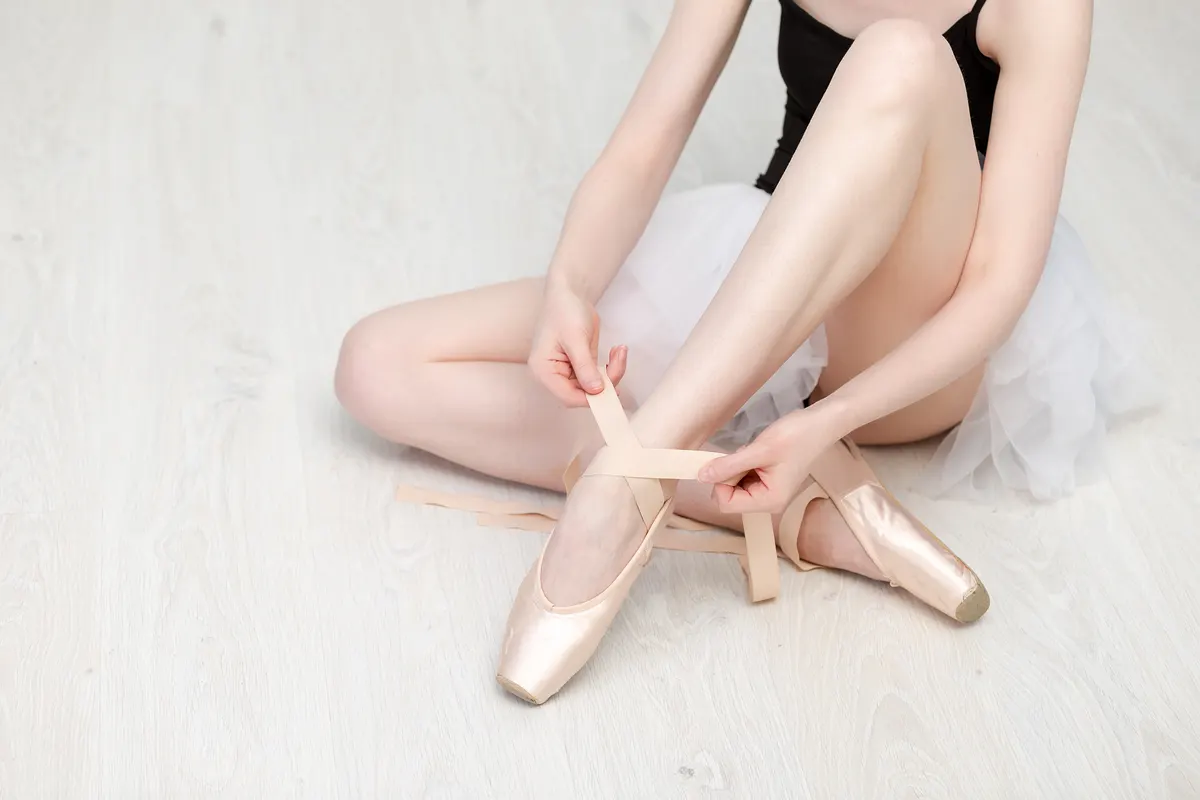
Dance & specialty shoe marketing agency: nice ballerina sits on the white wood floor and dresses a beige pointe shoe in the studio. She wears a light dance wear and a peach tutu. Copy space.

How dancers and dance parents buy

Dance shoes are bought to a specification set by somebody else. A studio tells the family which colour ballet shoe, which sole, which brand of tights. An exam board sets what is allowed in the room. A ballroom teacher tells a new student what heel height to start on. The store that stocks exactly what the dress code names, and says so in the words the teacher used, wins the order before price is considered.

We work with dance and specialty shoe stores that already sell online: ballet and pointe specialists, ballroom and Latin retailers, tap, jazz and character shoe stores, Irish and highland dance suppliers. The plan is built around a school calendar rather than a retail one, around fitting that is genuinely technical, and around the accessories that go out with almost every pair. This is a category where consumables carry the year and the studio relationship carries the customer.

Most orders start with an instruction. A beginners' class list, a uniform requirement, an exam syllabus, a teacher's recommendation after a fitting. The shopper is trying to match that instruction exactly, which is why product titles that use the studio's vocabulary, full sole and split sole, canvas and leather, character shoe with a stated heel height, do more work than any description.

Fit in dance does not follow street sizing, and everybody knows it except the first-time buyer. Dance sizes vary by maker and by style, sit differently from a normal shoe size, and change again in pointe shoes where the fit is a fitting rather than a size: vamp length, box width, shank strength. That last group should not be sold as though it were a straightforward size choice, and a store that says so plainly earns more trust than one that pretends.

Experienced dancers are repeat buyers with strong preferences. They know their maker, their width, their shank, and they will reorder the same thing for years if you keep it in stock and let them find it quickly.

Beginners need the opposite: a clear starter list. What the first class needs, what can wait, what the studio will insist on later. Publish that list and you become the shop the studio recommends.

Where dance & specialty shoe stores
lose revenue

The four levers, in this niche.

Visitors

Match the vocabulary of studios and syllabuses

Search demand in dance is written in the language of classes and exams, not fashion. Split sole ballet shoes, character shoes with a stated heel, suede sole ballroom shoes, hard shoe or soft shoe for Irish dance. We build search and Shopping around those exact phrases, add campaigns timed to enrolment and exam periods, and target the towns where the studios you supply are based, which is a level of local relevance most national sellers ignore.

Conversion rate

Say how the sizing really runs

Dance sizing rarely matches street sizing, and pretending otherwise creates returns and lost trust. Each product page needs a conversion note for that maker and style, foot length in centimetres, width guidance where the style has widths, and a plain warning where a shoe genuinely needs professional fitting. A page that tells a parent to have a first pointe shoe fitted in person, then sells them the pads and ribbons, converts better in the long run than one that guesses.

Average order

Ribbons, pads, rosin and the class list

Almost nothing in this category is worn on its own. Ribbons and elastics need sewing on, pointe shoes need pads and spacers, ballroom shoes need a wire brush for the suede, tap shoes need their screws checked, and every studio floor needs rosin. Selling the shoe as a class-ready kit, with the option to have ribbons sewn on before dispatch where you offer that, raises the order and removes a job the family was dreading.

Repeat purchases

Consumables and a growing dancer

Serious dancers wear out shoes quickly, and pointe shoes have a working life measured in weeks of rehearsal rather than years. That makes reordering the normal state, not the exception. Store the exact specification each customer bought so a reorder takes one click. Children in dance grow as well, so the same remeasure logic that drives children's footwear applies here, timed around terms and the run-up to recitals and exams.

What we do for
dance & specialty shoe stores

Five channels, one plan.

Google Shopping and search

Shopping split by discipline and by term dates

Each dance discipline is a separate market with its own vocabulary, price point and season, so campaigns split by discipline first: ballet, ballroom and Latin, tap, jazz, Irish, highland. A shared campaign lets whichever discipline has the highest volume take the budget and starves the rest.

Within ballet, pointe deserves its own campaign. The margin is different, the buyer is more knowledgeable and the searches are specific to makers and shank strengths.

The calendar drives budget. Enrolment weeks at the start of term, exam entry periods, and the weeks before recital and competition season are when the searches concentrate. Between them, demand falls to replacement level and budget should follow it down rather than sitting flat.

Search campaigns cover syllabus and dress code phrasing, and negatives are important here: costume searches, fancy dress, dance fitness trainers and second-hand pointe shoes all attract clicks that will not buy from a specialist. Local campaigns around your studio catchments are usually cheaper than national bidding.

Meta and TikTok

Studio content and creators who actually dance

Dance is one of the strongest categories on short video because the product is used in motion by people who like being filmed. Rehearsal footage, a pointe shoe being broken in, ribbons being sewn, a tap sequence recorded for the sound alone, all earn watch time that no product carousel matches.

The best partners are teachers and senior students rather than general creators. A teacher explaining what beginners need for a first class reaches exactly the families you want and carries authority the brand cannot buy.

Sequence the year around the studio calendar: enrolment, exams, competition season, recital. Post the class list content before enrolment weeks so parents find you when the studio email lands.

Catalogue ads carry the range for repeat buyers who know what they want, and should be filtered by discipline so a ballroom customer is not shown tap shoes. Be careful with imagery of young dancers, prefer content you have clear permission to use, and keep the copy addressed to parents where the dancer is a child.

Merchant Center and the feed

Sizing that is not street sizing, in the feed

The Merchant Center problem in dance is that the numbers in your size attribute do not mean what Google and shoppers assume they mean. A ballet shoe size and a street size can differ by a full size or more, and it varies by maker. Submit the size exactly as the maker labels it, set size_system to match, and keep each maker in its own item group so the values never mix.

Colour, gender and age_group remain required for footwear in the main markets. Children's dance ranges need the same care with age_group values that a children's shoe store needs, since a great deal of this category is bought for under-tens.

Sole type, heel height, shank strength, vamp length and width fitting have no dedicated attributes, so they go in product_detail as named pairs. These are the fields a knowledgeable buyer filters on and the ones that let a listing say something useful.

Where you sell accessories such as ribbons, rosin and pads, keep them properly categorised rather than filed under footwear, so they can be advertised in their own right and reordered easily.

SEO and AI search

Class lists, fitting guides and AI assistant questions

The durable organic assets here are a class list page per discipline and level, and a fitting guide per shoe type. What a beginner needs for a first ballet class. What to wear for a first ballroom lesson. What a grade exam allows. Those pages are searched every term, they are exactly what a parent needs, and they attract links from studios who would rather send a link than answer the same question weekly.

Fitting guides carry the technical content: how a ballet shoe should sit, how to judge heel height for a beginner in ballroom, why pointe shoes are fitted rather than sized, how to sew ribbons and elastics.

AI assistants get asked these questions constantly. Which ballet shoe a beginner needs, whether canvas or leather is better for a first pair, what heel a new ballroom dancer should start on, how long pointe shoes last. Answer each in the first sentence of a page, in plain words, then explain underneath.

Studio pages, listing the dress codes of schools you supply, earn local search visibility that national competitors cannot match.

Email and SMS

Term flows, reorder by specification and the studio list

Email in dance is timed to a school calendar. A pre-enrolment message with the class list for each level, an exam-season message with what is permitted in the room, and a recital-season message covering the extras a performance needs.

The reorder flow is the workhorse. Store each customer's exact specification, maker, style, size, width, shank, and send a one-click reorder when the wear period suggests. For dancers in regular training this can be a frequent, welcome message rather than a nuisance, provided it offers exactly what they bought and nothing else.

A separate list for teachers and studio owners is worth building deliberately. They order in volume, they set the dress code that drives your other sales, and they respond to stock notices and new-season previews rather than consumer offers.

Post-purchase, cover fitting and preparation: sewing ribbons, breaking in, caring for suede soles. SMS suits restock alerts on the widths and shanks that sell out and the final delivery day before a recital weekend.

First three fixes

What the plan usually starts with for dance & specialty shoe stores.

  1. Publish a class list page for every discipline and level

    Beginners arrive with an instruction from a teacher and no idea what to buy. A page listing exactly what a first class needs, per discipline, becomes the link studios send out and the page assistants quote.

  2. State the sizing conversion for every maker you stock

    Dance sizes do not follow street sizes and vary between makers. A conversion note and a foot length in centimetres on each product page prevents the wrong-size orders that this category generates more than any other.

  3. Store the full specification for one-click reorders

    Dancers reorder the same shoe repeatedly, down to the width and shank. Saving that specification against the customer, then building a reorder email from it, turns a demanding buyer into a recurring one.

Questions from dance & specialty shoe stores

Be honest about it. First pointe shoes are fitted in person for good reasons, and a store that says so builds more trust than one that takes the order and the return. Sell the pads, spacers, ribbons and elastics to the family who has just been fitted, publish a guide to what the fitting involves, and take the reorders once the dancer knows their exact specification, which is where the recurring revenue in pointe actually sits.

Solve their admin. Teachers repeat the same dress code instructions every term, so give them a page per class level they can link to, keep the items on it in stock through enrolment, and let them order in volume without fighting a consumer checkout. A teacher list, kept separate from the consumer list and used for stock notices rather than offers, is the most valuable list this category has.

With the size chart per maker, not a general one. Publish the conversion from street size for each brand and style you stock, add foot length in centimetres, and state the width where the style comes in widths. Then check the feed matches the page. Most dance returns come from a shopper assuming their street size applies, which one sentence in the right place prevents.

Around the studio calendar rather than the retail one. Enrolment weeks at the start of each term, exam entry periods and the run-up to recital and competition season are when searches concentrate. Retail moments such as the general sale periods matter far less here, and budget left running flat through a quiet term is mostly wasted.

Yes. Ribbons, elastics, toe pads, rosin, suede brushes and tap screws are searched for on their own, they reorder constantly, and they are what keeps a dancer in touch with you between shoe purchases. List them individually so they can be fed, advertised and reordered, and also bundle them with the shoe they belong to for the beginner who does not yet know they need them.

Other footwear stores we work with

Send your dance & specialty shoe store store.

The plan says which lever is leaking and what to fix first, for your store as it is today.

Store, name, email and phone. A person replies from a real inbox. Privacy

Get your free growth plan