Skip to content

Luxury heel marketing agency

Growth plans for luxury heel brands: occasion demand, Italian sizing, bridal lead times, worn-once returns and the heel tip that brings owners back.

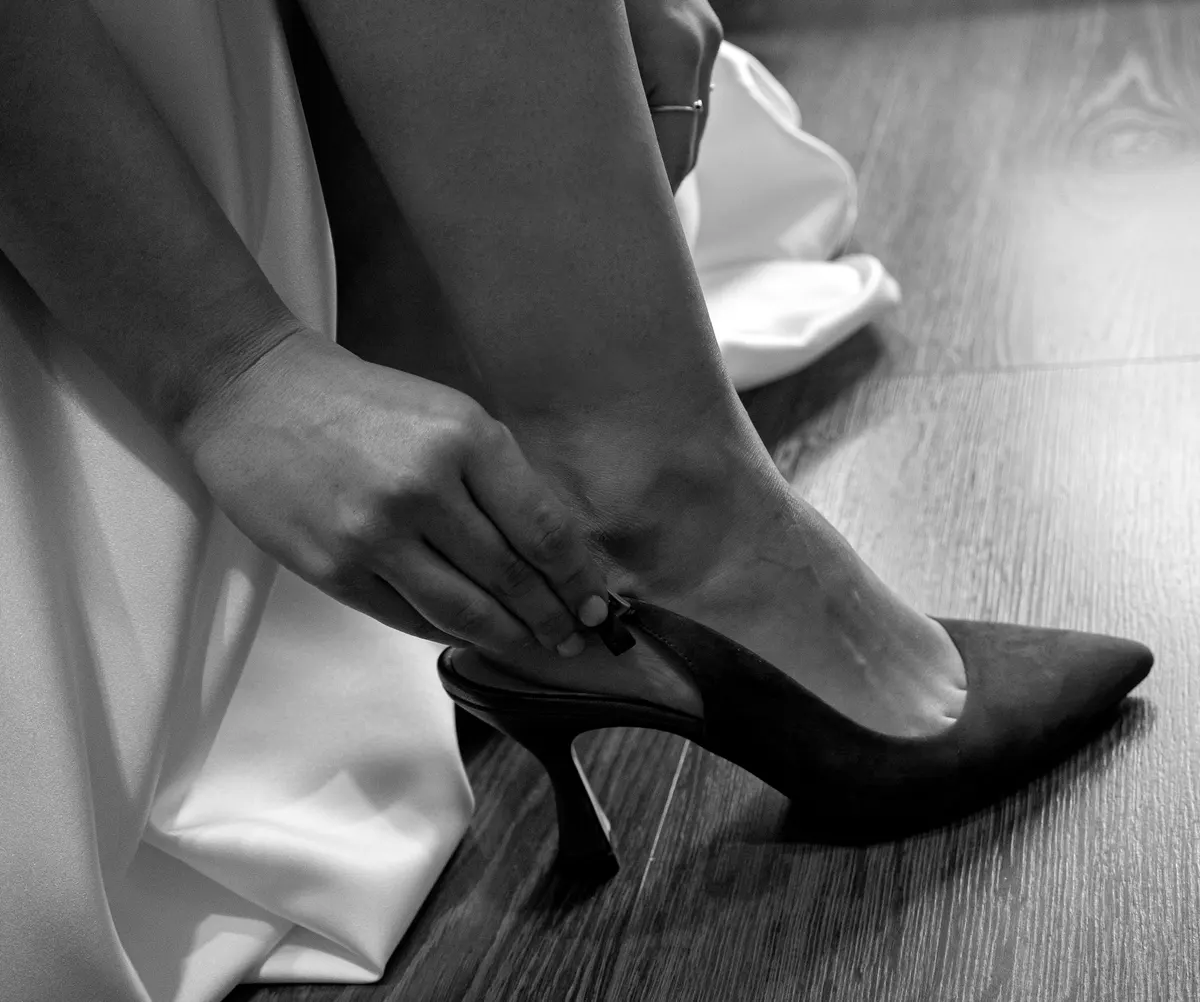
Luxury heel marketing agency: bride putting on elegant high heel shoe.

The occasion decides the purchase

Luxury heels are bought for a date in the diary. A wedding, a party season, an event, a first day in a new job. That single fact governs the whole business: when demand arrives, how much delivery certainty matters, why returns spike after a weekend, and why a customer who was delighted in June may not buy again until next June unless you give her a reason.

We work with luxury heel brands that already sell online, from Italian-made pump and sandal labels to occasion and bridal specialists and designer heel retailers. The plan is built around the things that make this category difficult. Sizing is usually European and often runs small, so the shopper is converting in her head at the point of purchase. A large share of orders are for one specific evening, which creates both urgency and a return risk. And comfort, which nobody wants to talk about in luxury, is the reason most heels are worn once and never again.

Almost every luxury heel purchase can be traced back to an event, and the event sets the terms. It sets the deadline, so delivery certainty is worth more than a discount. It sets the colour, since a heel is often chosen against a dress that already exists. And it sets the expectation, because a shoe bought for a wedding has to survive a day that includes standing, grass, dancing and photographs.

The fit conversation is more delicate here than in any other footwear category. Sizing is typically European, many Italian lasts run narrow and small, and a shopper who takes a half size is often left guessing. She will not ask, she will simply order two sizes or go elsewhere. Stating how the last runs, in your own words, per style, removes that.

Comfort is the quiet decider. Heel height matters, but so does the pitch, the platform depth, the padding under the ball of the foot and the strap position. Buyers at this level have owned beautiful shoes they could not walk in, and the brand that describes wearability precisely wins the second purchase as well as the first.

Materials carry the price. Satin, nappa, suede, patent, and for bridal the dyeable satin that has to be ordered weeks ahead. Say what each material does in the rain, on grass, and on a dance floor, because that is what she is imagining.
Where luxury heel brands
lose revenue

The four levers, in this niche.

Visitors

Occasion demand, in the weeks it actually happens

Demand in this category concentrates around the party season, the wedding months and the events calendar in each market, and it is preceded by a research window that starts far earlier for bridal. Campaigns should be built by occasion as well as by style, opened before each window rather than during it, and weighted towards the searches that name the event, since those shoppers buy at full price and buy quickly.

Conversion rate

Sizing honesty and a delivery date she can trust

Two things lose this sale. She cannot work out her size in your system, and she cannot be sure the shoes will arrive before the event. Fix both on the page: state the size conversion and how the last runs for that style, give foot length in centimetres, and show a delivery date rather than a shipping speed. Add a wearability note covering heel height, platform and padding, which is the doubt nobody addresses.

Average order

Protection, care and the second colour

The natural additions here protect an expensive purchase and solve real problems for the evening. Heel protectors for grass at outdoor weddings, sole guards fitted before first wear, a suede protector spray, a dust bag or storage box. For a shopper choosing between two colours, presenting both with a clear reason to own each, one for the event and one for regular wear, is a straightforward lift at a price she was already comfortable with.

Repeat purchases

Give her a reason between occasions

The risk in this category is a customer who buys once a year and forgets you in between. The remedy is service and communication that is not a sale. Heel tips and sole repairs, care advice for satin and suede, storage guidance, and an occasion-led message before each season rather than a monthly promotion. Customers who bought for a wedding are also a strong audience for the next event in their own diary.

What we do for
luxury heel brands

Five channels, one plan.

Google Shopping and search

Shopping by occasion, colour and heel height

Structure follows the way this shopper searches, which is by occasion, colour and heel height rather than by product name. Wedding shoes, party heels, block heels for a garden wedding, nude courts, are all separate intents that deserve separate groups and different targets.

Colour is unusually important because the shoe is often being matched to a dress. Make sure colour is accurate and specific in the feed, since a listing that says beige when the customer searched for nude will not appear.

Bridal deserves its own campaign with a much longer view, since the research starts months before the purchase and the customer visits many times before ordering.

Delivery timing becomes the selling point in the final week before an event, so the campaign should carry the arrival promise where you can meet it. Negatives should exclude costume, replica and second-hand searches, which are constant in the luxury heel category and never convert at your price.

Meta and TikTok

Movement, occasion and the honest walking shot

Still photography sells the shoe, video sells the wearing of it. The most persuasive content in this category is somebody walking, dancing and standing in the heel, because the unspoken doubt is whether she can get through the evening in them.

Occasion-led content sequences the year: party season in the run-up to the winter holidays, wedding guest content through the spring, bridal all year because engagements do not have a season.

User content around events is exceptionally good here. A customer posting from a wedding is showing the shoe in exactly the situation the next buyer is imagining, and asking for that content as part of the post-purchase flow costs nothing.

Creator partnerships should favour people whose audience follows them for style and occasion dressing rather than general reach. Keep the creative faithful to the product: colour accuracy in video matters when someone is matching to a dress, and a shoe that photographs a shade wrong generates returns you did not need.

Merchant Center and the feed

European sizing, exact colour and free-return signals in the feed

The size system is where luxury heel feeds go wrong. If your sizes are European, set size_system to EU and submit the EU number, then handle the conversion on the product page. Mixing systems within one item group produces variants that contradict each other and shoppers who order the wrong number.

Half sizes, where you make them, need to be submitted as their own variants rather than folded into the nearest whole size.

Colour deserves real care. Use the name a shopper would search, and keep it consistent between the feed, the page and the photography, since the shoe is being matched to something else. Material should name satin, nappa, suede or patent rather than a generic word, because material is both a search term and a price justification.

Heel height, platform height and sole type belong in product_detail. At this price point, returns policy and delivery speed are decision factors, so make sure the return window and shipping settings in Merchant Center reflect what you actually offer.

SEO and AI search

Occasion pages, sizing guidance and questions asked of assistants

The organic wins here are occasion pages rather than product categories. Shoes for a wedding on grass, heels you can dance in, what to wear with a specific style of dress, comfortable heels for a long day. These attract shoppers early, rank year after year and convert because they answer the real question.

A sizing page is essential when your sizes are European. Publish the conversion, explain how your lasts run, and give foot length in centimetres for each size.

AI assistants are asked which heels are comfortable enough to wear all evening, whether a brand runs small, what heel height is manageable for someone who does not wear heels often, and what to wear on grass. These are exactly the questions a luxury site avoids answering and exactly the ones that decide purchases. Answer them plainly in the first sentence of a page you own.

Care content for satin and suede earns traffic from owners and gives them a reason to return to the site after the event.

Email and SMS

Occasion timing, the delivery promise and post-event care

Email in this category is timed to the diary rather than to a promotional calendar. Party season content in the run-up to the winter holidays, wedding guest content through spring, and a bridal sequence that runs on a much longer timeline, with the reminder to order dyeable styles well ahead of the date.

The abandoned cart message needs a delivery date in it, because the shopper who hesitated is often worried about timing rather than price. A discount here is the wrong answer and it devalues the next purchase.

Post-purchase, send care advice before the event rather than after it: how to protect the sole, what to do about grass, how to store satin. Then ask for a photograph from the day, which becomes your best advertising.

Between occasions, keep the relationship alive with repair and heel tip reminders and with early access to new colours. Segment by the occasion she bought for, since a bridal customer and a party-season customer want completely different messages.

First three fixes

What the plan usually starts with for luxury heel brands.

  1. State how each last runs and give the conversion

    European sizing plus a narrow last means the shopper is guessing at the most expensive moment. A per-style note on how the shoe runs, foot length in centimetres and a clear conversion cuts both lost sales and double-size orders.

  2. Show a delivery date, not a delivery speed

    Every purchase in this category is tied to a date. A named arrival date on the product page, in the cart and in the abandoned cart email answers the question that stops the order more often than price does.

  3. Publish the wearability detail nobody wants to write

    Heel height, pitch, platform depth, padding and strap position decide whether the shoe is worn again. Describing them honestly wins the shopper who has bought beautiful shoes she could not walk in, and reduces worn-once returns.

Questions from luxury heel brands

Reduce the reasons and tighten the terms visibly. Accurate colour in photography and in the feed, a clear note on how the last runs, and a wearability description all reduce genuine mismatches. Then state your condition requirements plainly, including that sole guards should be fitted before wear and that shoes returned with sole marks are assessed. Selling the sole guard on the product page both raises the order and makes the policy fair.

Sparingly, and never on the styles that carry the brand. Occasion demand is not price led, and discounting teaches customers to wait for it. Where stock has to move, use ends of season, single sizes or an archive sale to your own list, framed by the reason rather than the percentage. Early access and limited colours give the list a reward that costs nothing in perceived value.

Much earlier than the rest of the category, and dyeable satin styles need ordering earlier still because of the lead time on colour matching. Build a bridal sequence that runs over months rather than weeks, with content about choosing heel height for a long day, protecting soles on grass, and ordering deadlines for dyeing. The purchase is far from the engagement, and the brand that stayed useful in between gets it.

Set the size system correctly in the feed, submit the European number rather than a converted one, and put the conversion table and the foot length in centimetres on the page next to the selector. Add a sentence on how that particular last runs, since a shopper who knows the style runs narrow will size accordingly. Repeat the guidance in the order confirmation so a change can be made before dispatch.

Service between occasions, and a reason tied to her diary rather than yours. Heel tip and sole repair, care advice for satin and suede, and storage guidance keep you present without selling. Then time the next contact to the seasons where events cluster, and segment by what she bought for. A wedding guest this year is frequently a wedding guest again, and a bride becomes a customer for the events that follow.

Other footwear stores we work with

Send your luxury heel brand store.

The plan says which lever is leaking and what to fix first, for your store as it is today.

Store, name, email and phone. A person replies from a real inbox. Privacy

Get your free growth plan