Skip to content

Slipper marketing agency

Growth plans for slipper brands: a gifting year that peaks in December, letter sizing, sheepskin care and the buyer who is not the wearer.

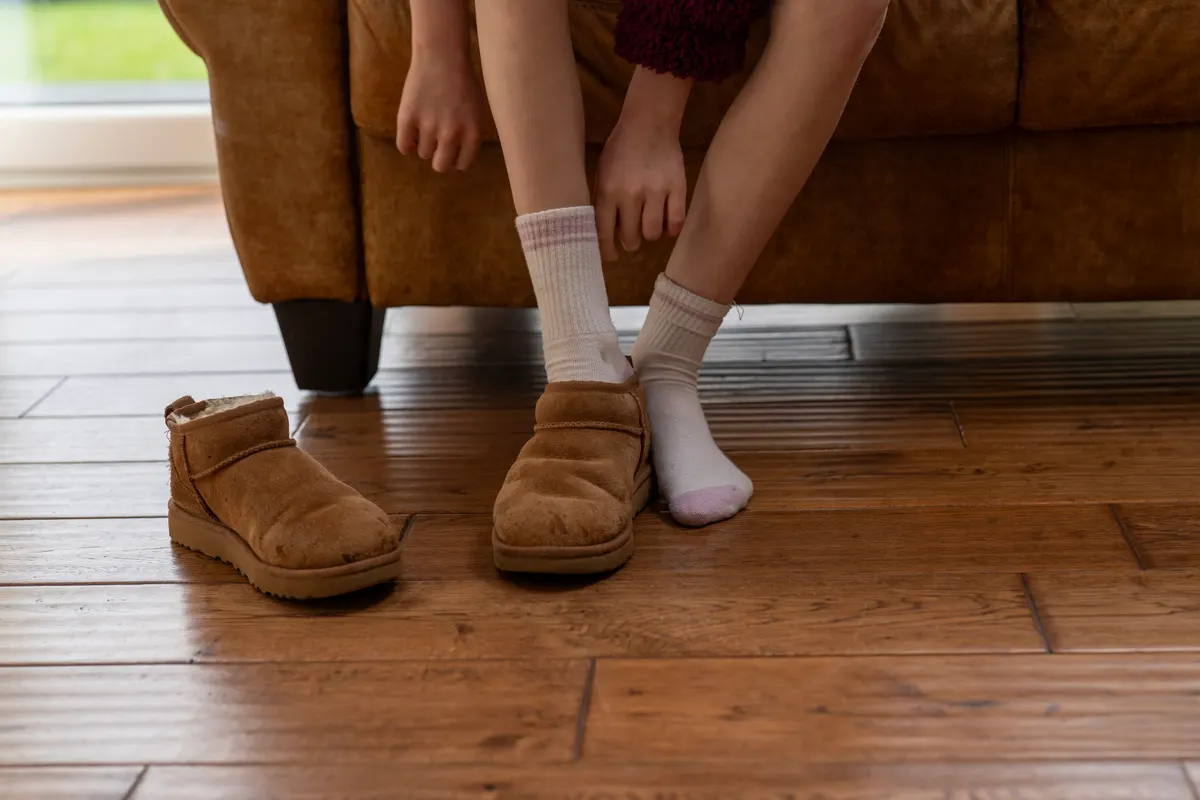
Slipper marketing agency: child sitting on couch trying to put on one sock and one slipper while at home.

The gift buyer and the self buyer

Slippers are the most gifted item in footwear, which changes almost everything about how they are sold. For a large part of the year the person on your product page is not the person who will wear the slippers. They are guessing at a size, choosing a colour for somebody else's taste, and worrying about whether it can be returned if it is wrong. Every fix that matters in this category comes from taking that worry away.

We work with slipper brands that already sell online: sheepskin and wool makers, moccasin brands, memory foam and comfort slipper labels, and stores selling indoor and outdoor soled styles side by side. The plan is built around a season that peaks hard in the weeks before the winter holidays, sizing that is often sold in letters rather than numbers, and a product that is genuinely worn out each year, which gives you a reorder that most footwear brands never get.

Two very different shoppers use the same pages. The gift buyer is choosing for a parent, a partner or a grandparent and cannot confirm a size without spoiling the surprise. They need forgiving sizing, a clear exchange policy, gift presentation and a delivery date they can rely on. Everything that reduces their risk increases your conversion, and nothing else on the page matters as much.

The self buyer is replacing a pair that has gone flat, thin at the sole or grubby beyond washing. They know what they want and they usually want the same again, which makes them the easiest reorder in footwear if you can remember what they bought.

Both care about details that sound minor and decide the purchase. Whether the sole can be worn outside to take the bin out. Whether the wool is real sheepskin or a synthetic pile. Whether it can go in a washing machine, which most sheepskin cannot. Whether it will slip on a wooden floor or a tiled kitchen, which matters enormously to anyone buying for an older relative.

Fit is looser than in other footwear, but not infinitely so. Letter sizes cover ranges, feet swell, and a slipper that packs down with wear starts tight on purpose. Say what happens over the first weeks and the guessing gets easier.

Where slipper brands
lose revenue

The four levers, in this niche.

Visitors

Be found in the gift searches, not just the product ones

A large share of slipper demand arrives as gift intent: slippers for grandmothers, for men who are hard to buy for, for a new home, for a hospital stay. Those searches peak in the weeks before the winter holidays and again around family occasions in spring. We build search and Shopping around gift language as well as product language, and open the season before the rush so the campaigns are already learning when the volume arrives.

Conversion rate

Make a wrong guess safe

The gift buyer converts when the risk of guessing wrong is removed. State the numeric shoe sizes each letter size covers, offer a simple exchange window that extends past the holidays, and say plainly that gift orders can be exchanged without the recipient knowing the price. Add whether the sole is indoor or indoor and outdoor, and how the slipper is cleaned, since those two questions are asked on every product in this category.

Average order

Pairs, presentation and the things that keep them clean

Slippers are bought in twos more than any other footwear, one for each parent, one for each guest room, one to leave at somebody else's house. A second-pair offer framed around that is easily taken. Gift wrapping and a printed card raise the order value and solve a real problem for the buyer. Sheepskin cleaner, a wool brush and replacement insoles suit the self buyer and extend the life of the pair.

Repeat purchases

An annual replacement people expect to make

Slippers are worn daily and flatten out, so most owners replace them roughly once a year and many receive a pair every winter as a gift. That gives you two reliable moments. Contact the self buyer before the next cold season with the same style and size they bought, and contact the gift buyer before the same holiday next year with a reminder of what they gave and who they gave it to.

What we do for
slipper brands

Five channels, one plan.

Google Shopping and search

Shopping through a gifting peak and a long quiet season

The shape of the year is extreme in this category, and campaigns should be built for it rather than run flat. Open the season in early autumn at modest budget so the campaigns have learned by the time gift shopping starts, then scale through the peak weeks and pull back sharply once the last delivery date passes.

Split gift-intent campaigns from replacement-intent campaigns. Gift searches respond to different creative, convert at different rates and are worth bidding differently, especially since gift shoppers buy at higher prices than self buyers.

Delivery dates belong in the campaign as well as the site through December, because a shopper in the final week is choosing on arrival rather than on style. Promotions in Merchant Center can carry the gift wrapping offer into the listing.

Out of season, keep a small budget on the searches that never stop: slippers for hospital stays, non-slip slippers for older people, and travel slippers. Negatives should exclude costume, novelty and character searches unless you sell them.

Meta and TikTok

Warmth, gifting and the honest sole demonstration

Slipper creative sells a feeling and then proves a fact. The feeling is a cold morning, a tiled kitchen floor, a wood burner, a hotel dressing gown. The fact is what the slipper is made of and what the sole will take.

The most useful piece of video you can make is somebody walking outside in them, to the bin, to the car, to the post box, if the sole allows it. It answers the question people ask most and it separates your outdoor-soled styles from your indoor ones without a word of copy.

Gifting content runs from late autumn: gifts for parents, for grandparents, for people who never want anything. Retarget the previous year's gift buyers first, because the person who gave slippers last winter is likely to give them again.

Care content performs in the quiet months. How to wash a wool slipper, how to freshen sheepskin, what not to put in a machine. It keeps a seasonal brand present in the seasons where it otherwise disappears.

Merchant Center and the feed

Letter sizing, unisex ranges and gift promotions in the feed

Slippers are frequently sold in letter sizes, and Merchant Center accepts them, but the size value has to be consistent and the mapping to numeric shoe sizes has to live on the product page. Submit the letter as the size, set the size system for the market, and put the numeric range in product_detail so the shopper who thinks in numbers can still work out what to order.

Many slipper ranges are genuinely unisex. Where that is true, use gender unisex with one size run rather than splitting the same product into two competing listings. Colour, size, gender and age_group remain required for footwear in the main markets.

Material matters here as much as anywhere. Real sheepskin, wool, and synthetic pile should be named accurately, since the difference is exactly what a buyer at the higher price is paying for and misdescription invites complaints.

Sole type, washability and whether the slipper can be worn outdoors go into product_detail. Through the gifting season, use the promotions feed for gift wrapping and delivery offers so they appear in the listing rather than only on the site.

SEO and AI search

Gift guides, care pages and what assistants get asked

The evergreen pages that carry a slipper brand are gift guides and care guides. Gift pages by recipient, published and indexed well before the season rather than in the middle of it, capture searches that repeat every year and that most brands write too late to rank for.

Care content earns steady traffic all year and answers the questions that stop purchases. Whether sheepskin can be machine washed, how to deal with the smell that develops in a well-worn pair, how to revive flattened wool.

AI assistants are asked what size slipper suits a numeric shoe size, whether a style can be worn outside, whether real sheepskin is worth the extra money, and what to buy for someone who is hard to buy for. Each of those should be a plain first sentence on a page you own, with the detail underneath.

A sizing page that maps every letter size to numeric sizes, in every market you sell in, is the most practical page in the category and almost nobody publishes one properly.

Email and SMS

The gift countdown and the annual replacement

Two flows carry this category. The first is the gifting countdown, which runs through the autumn with recipient-led content and moves to delivery dates as the peak closes. Its best audience is last year's gift buyers, and the message that works is a reminder of what they bought and who for.

The second is the replacement reminder, sent to self buyers before the next cold season with the same style and size. Slippers wear out on a predictable annual rhythm, so this needs no cleverness beyond remembering what they ordered.

Between them sit the quiet-season sends: care content, new colours, and the practical occasions that fall outside winter, such as a hospital stay or a new home.

Post-purchase, cover cleaning and what the sole is rated for, since a customer who washes a sheepskin slipper in a machine has an avoidable complaint. SMS earns its place in the last few days before the delivery cut-off, when a gift buyer needs to be told the deadline rather than persuaded.

First three fixes

What the plan usually starts with for slipper brands.

  1. Publish the letter-to-numeric size map everywhere

    Most slipper returns come from a gift buyer guessing between a medium and a large. State the numeric shoe sizes each letter covers on the product page, in the feed detail and in the order confirmation, so a wrong guess can be corrected before dispatch.

  2. Say what the sole can do

    Whether the slipper can be worn outside is the single most asked question in this category, and most product pages do not answer it. State it on every product, show it in video, and put it in the feed detail.

  3. Build the gifting season before it starts

    Gift guides published in December do not rank in December. Publish and index them in late summer, open the campaigns in early autumn, and start the season with last year's gift buyers rather than with new audiences.

Questions from slipper brands

Remove the size risk and the price awkwardness. Publish the numeric range each letter size covers, offer an exchange window that runs past the holidays, and let the buyer send a gift receipt with no price on it. Offer wrapping. Then say all of this on the product page rather than in a policy link, because the gift buyer is deciding at the point of choosing, not at the point of reading terms.

Sell to the occasions that are not seasonal and publish the content that ranks for next winter. Hospital stays, new homes, travel and care settings produce steady demand all year. Care and washing content earns traffic in the quiet months and keeps the list engaged. Gift guides written in summer are the ones that rank when the season starts.

Yes, but describe both accurately and separate them clearly in navigation and in the feed. The buyer paying more for real sheepskin is paying for exactly that, and vague material wording on the cheaper line creates complaints that damage the expensive one. Give each material its own care instructions, since what suits a synthetic pile will ruin a sheepskin.

Directly, with the sole material and any grip pattern described, and with video on the surfaces people actually have, wood, tile and stone. This question matters most to people buying for older relatives, which is a large share of this category, and a straight answer wins that order. Avoid claiming a slipper prevents falls, since that moves the copy into a health claim you would have to support.

Yes, roughly annual for daily wearers, because the footbed flattens and the upper stains long before the slipper falls apart. Record the style and size each customer bought and contact them before the next cold season with the same pair. Separately, remind last year's gift buyers before the same occasion, since gifting the same thing again is common and welcome in this category.

Other footwear stores we work with

Send your slipper brand store.

The plan says which lever is leaking and what to fix first, for your store as it is today.

Store, name, email and phone. A person replies from a real inbox. Privacy

Get your free growth plan